

A Serendipitous Cherry Blossom Hunting Adventure in Nara
Sakura and public transport woes in Uda and Murou, Nara Prefecture
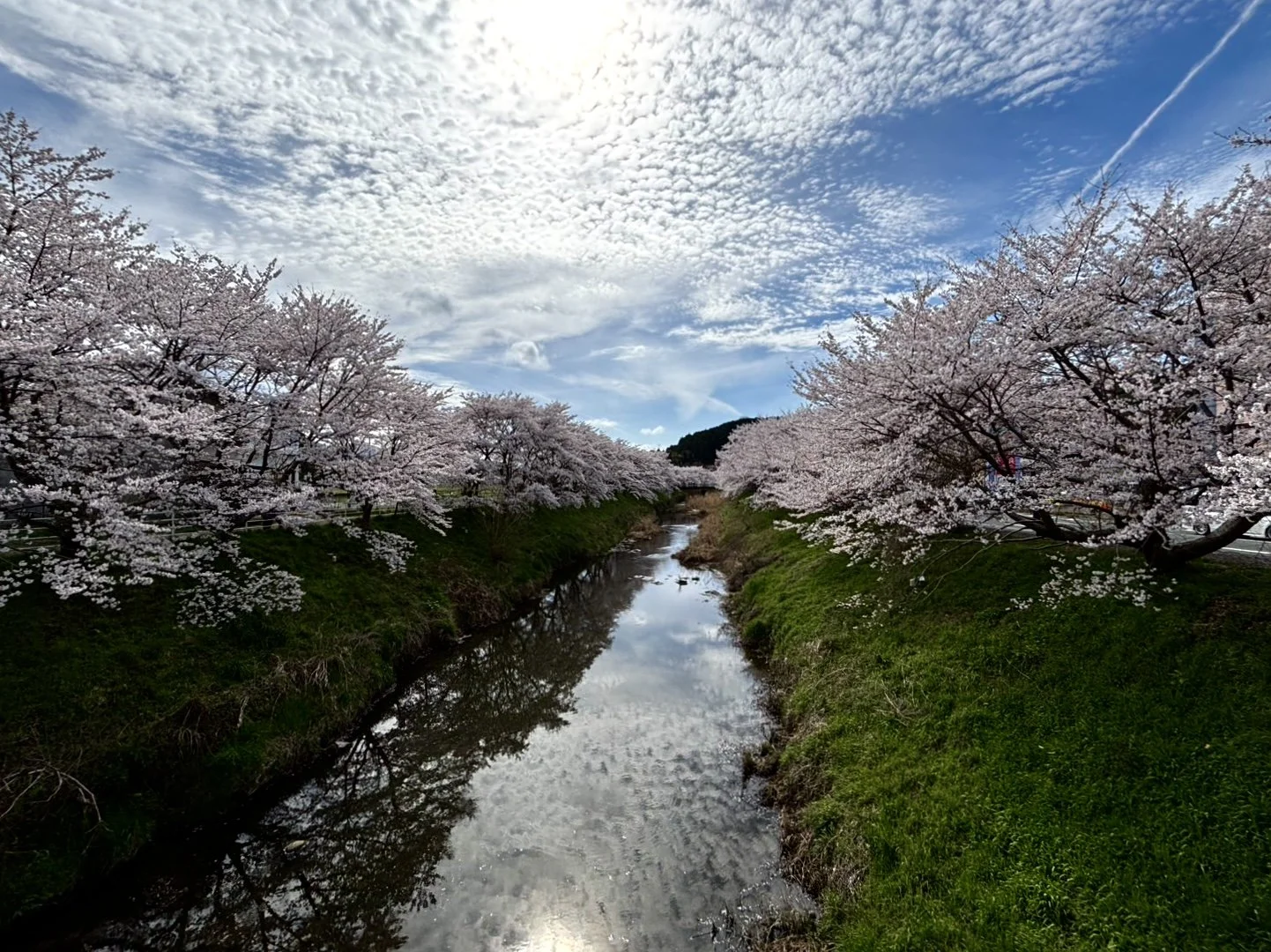
Kajiri no Sakura, Uda, Nara Prefecture
In Japan, few things cause such primitive, collective joy as the emergence of those saccharine pink blooms each spring. It’s official: cherry blossom season is upon us and quickly receding with the last of its pavement-bound petals.
Unlike last year’s jaunts to the buzzing Nara Park and Mt. Yoshino, this time around, I decided to venture east, where few travelers ever go: Murou and Uda. I’d passed through countless times on the way to Nagoya, my husband’s hometown. Along the same Kintetsu Osaka line, I’ve touched down at Soni Mura and Hasedera. So, in the invigorating spirit of change and newness that only the spring season can bring, I designated 2026 as the year I’d finally pay a visit.
Would I be like Ferdinand Magellan, discovering territory unmarred by photogenic convenience stores and English menus? Or would I be more like Christopher Columbus, turning for home with nothing but mediocre snapshots to my name?
Only time spent waiting around for delayed public transport would tell.
Charting my course
With the sakura’s early arrival while my husband was on a business trip, only one weekend could be spared for cherry blossom hunting. Tempted as I was by a fourth visit to the Yoshino area I so dearly love (my second visit during sakura season), I could no longer resist the siren song of the road less traveled.
And when I say less traveled, I mean it. Murou is one of the many rural villages that have been hit hard by the depopulation crisis in Japan. Along with Haibara-cho, Utano-cho, and Ouda-cho, it was officially incorporated into Uda City in 2006. The Murou Art Forest, which began as a local project to counteract depopulation (and landslides), finished construction in the same year and has since gone viral on social media, bringing more tourism to the area, but not much.
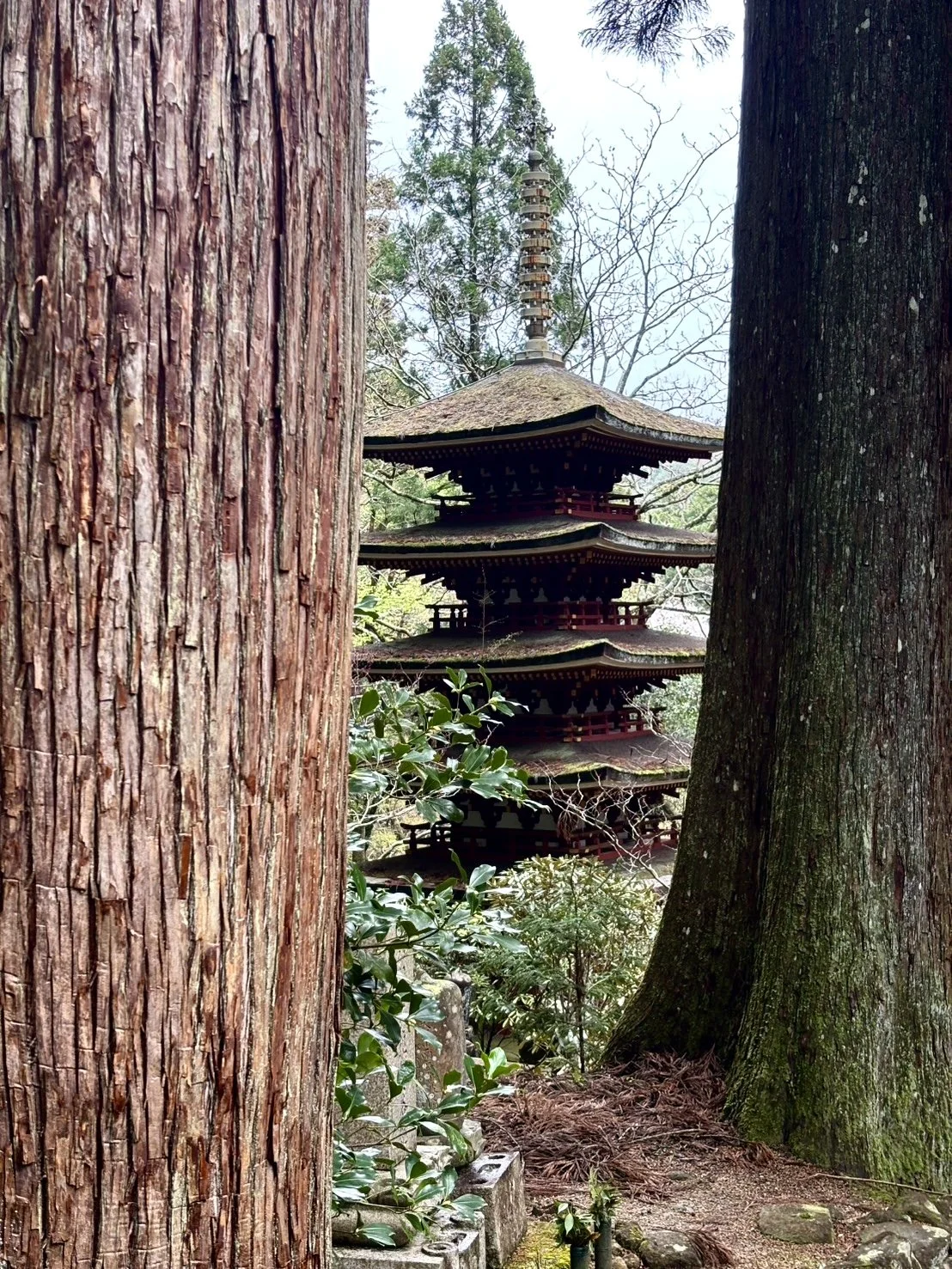
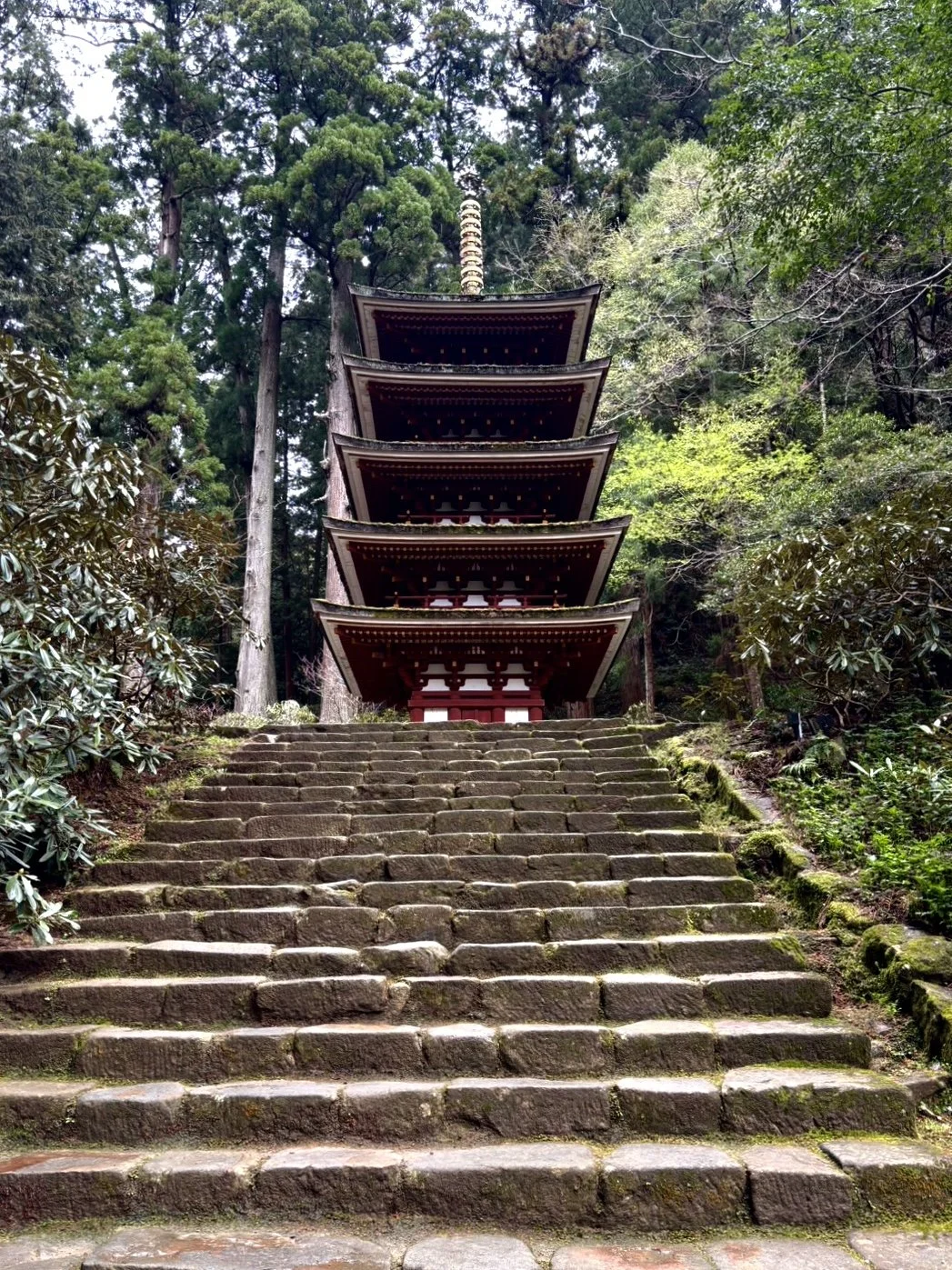
Arguably, however, the main draw is Murou-ji. This puny, five-story pagoda (the smallest in Japan, in fact) was written about extensively in the Manyoshu, the oldest collection of Japanese poetry dating back to 759 CE. Fitting, then, that it’s also the second oldest in Japan after the five-story pagoda at Horyuji (another Nara location, unsurprisingly). Enclosed in a forest of towering cedar trees, it was videos of this site that convinced me to come all the way here.
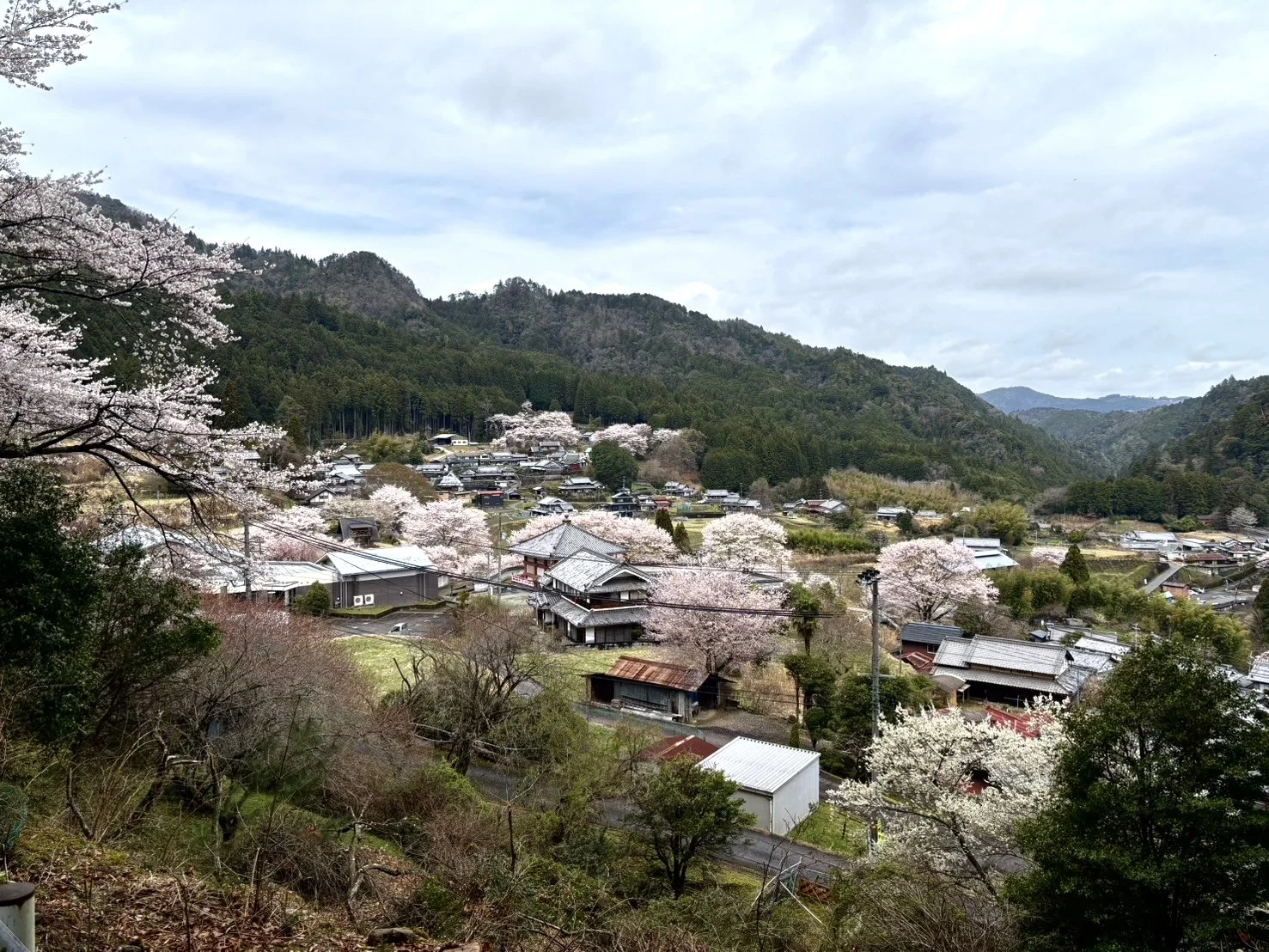
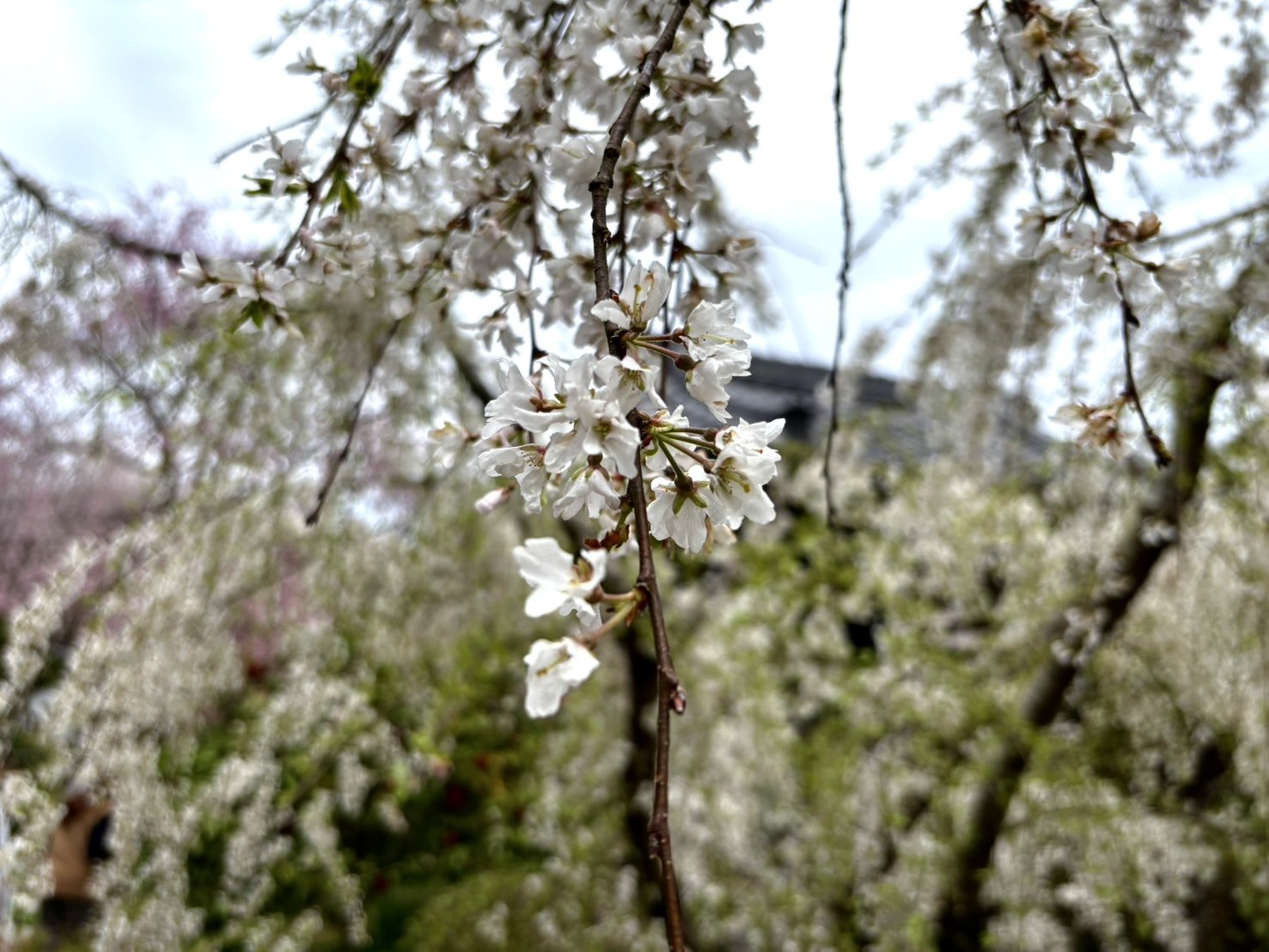
Oh no, Murou!
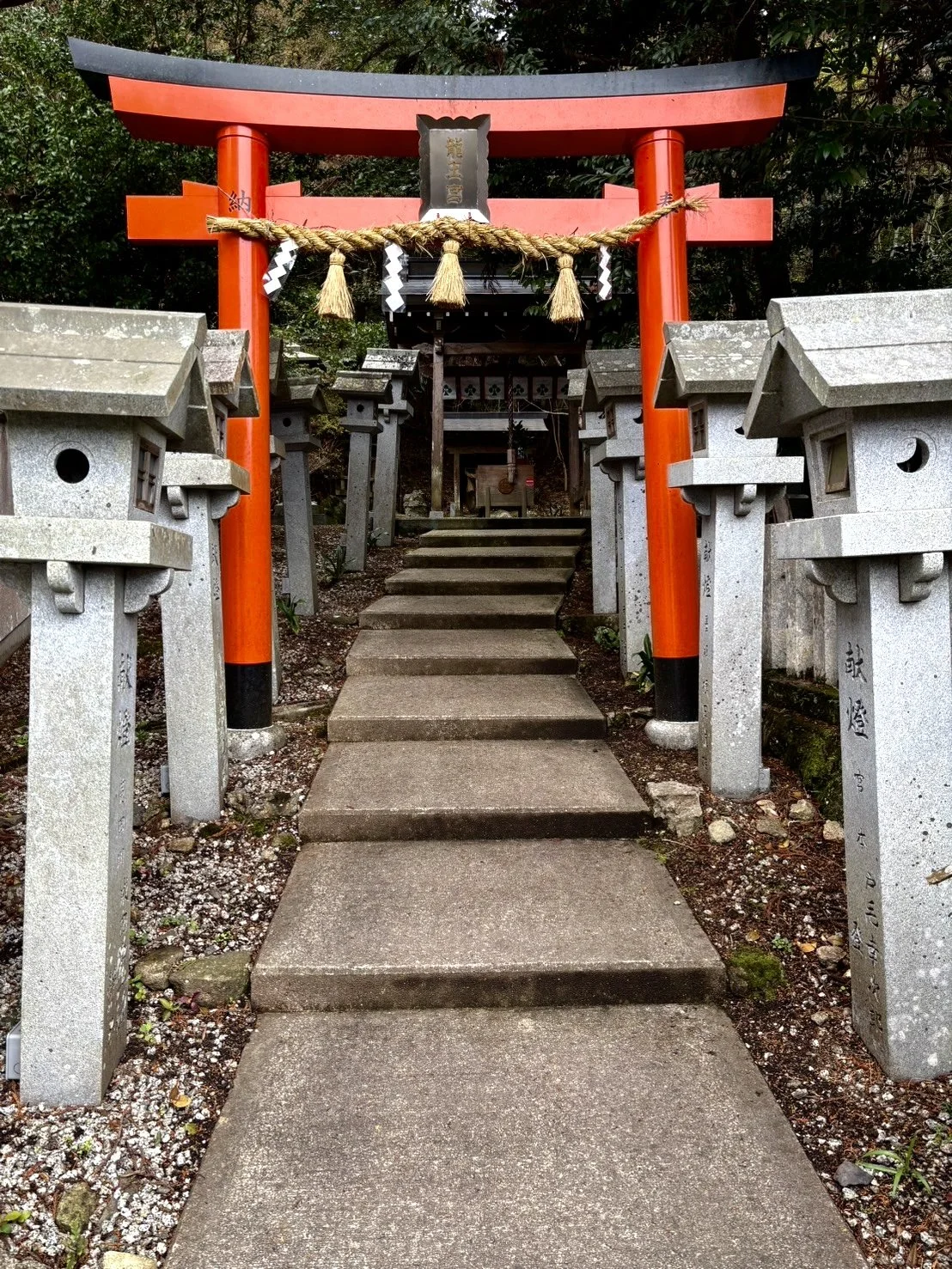
At 8:59 on the dot, Taka and I passed through the gates of Muroguchi-ono Station to find that we were not, in fact, the only ones in the know about Murou. In a mad dash for the bus that would take us to Murou-ji, throngs of silver-haired hikers in overpriced Mont-Bell gear filled up the seats around us. As I peered at their maps, I realized we’d missed out on a circular hiking course taking you to the further flung Ryuketsu and Ryuchin Shrines (a cool aside: Murou-ji is home to the dragon god, which is where the ryu prefix comes in on those shrine names).
On the positive side, that meant the modest crowd would disperse soon enough.
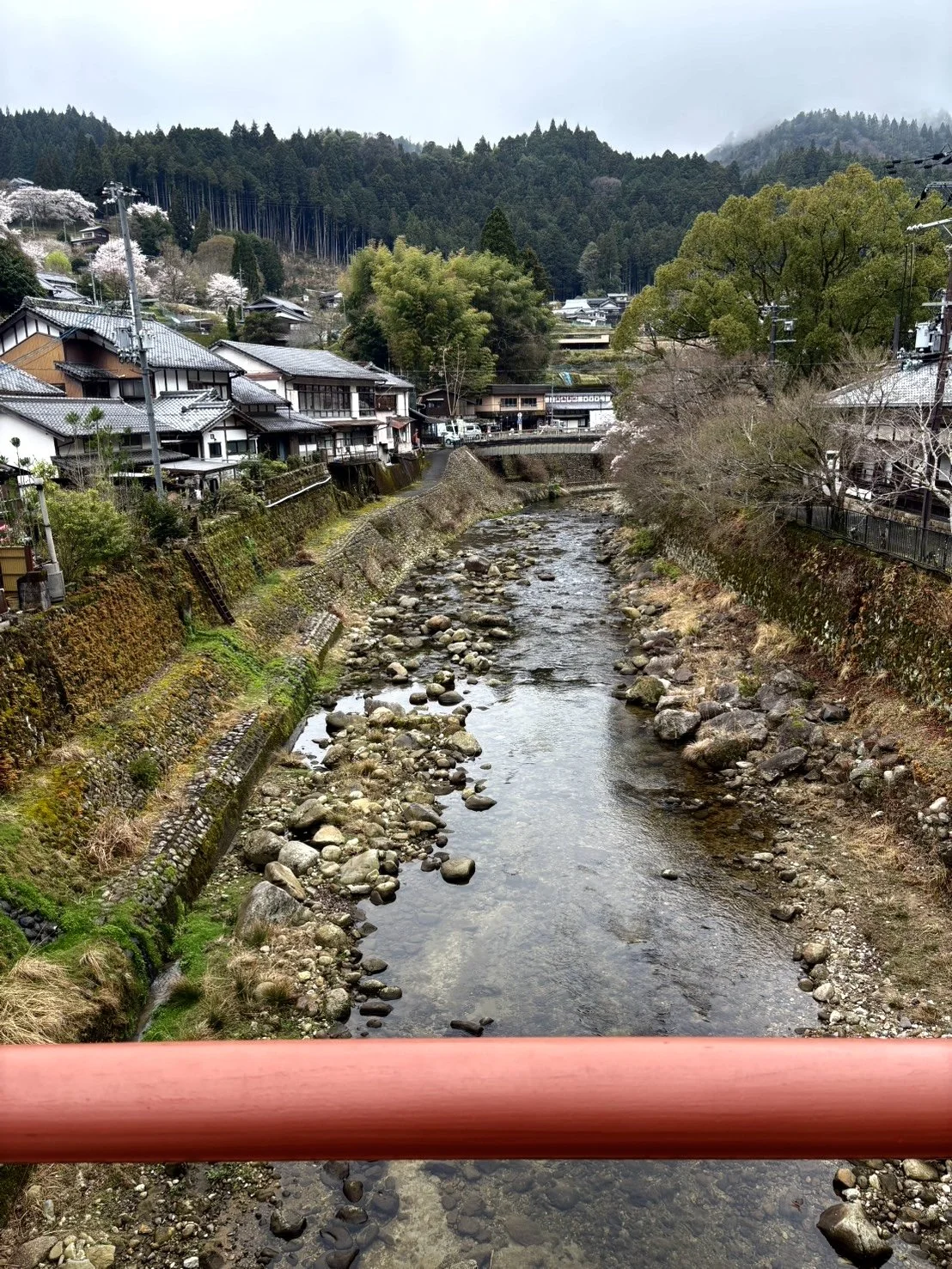
Stepping off the bus, the atmosphere was immediately sleepy: dozens of shops selling wooden carvings and the local specialty, yomogimochi, a sweet red bean paste-filled variety of mochi made green with Japanese mugwort, lined the curved highway, with only a few of them open, even on a weekend morning. After a few days of rain, the mountains in the background were haloed by mist, and the river ran strong through the middle.
With exactly two hours and ten minutes until our return bus, which ran only once an hour, it was imperative we spend our time here wisely. Our first stop? The titular Murou-ji.
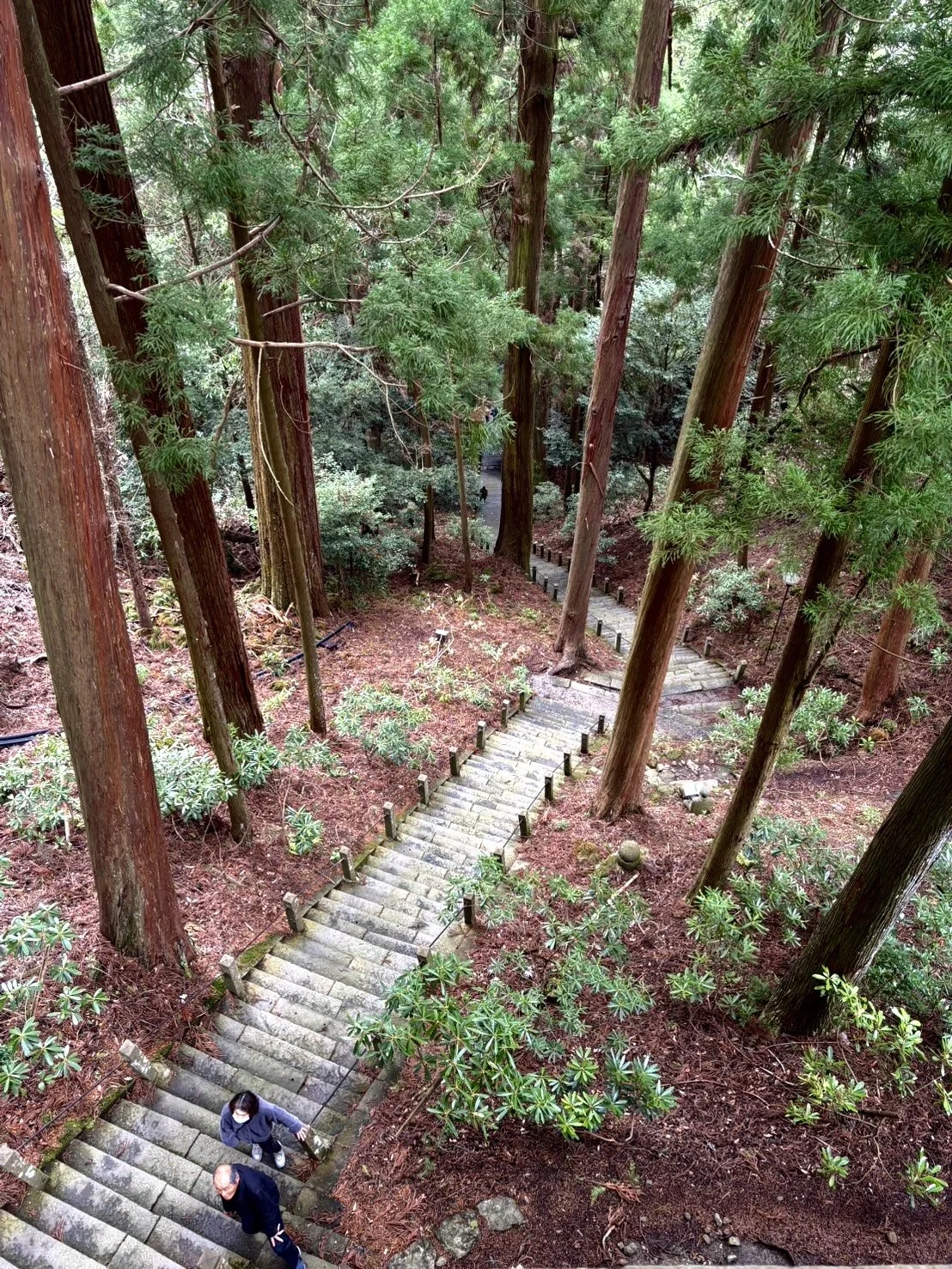
The cedar trunks gave way to slippery, uneven stone steps as the two of us began our climb. Before my trip, I hadn’t known about Murou-ji’s diminutive stature, and so found myself surprised at the physical insignificance of it. Metaphorically, though, I was checking off a longstanding item on my Nara travel bucket list, and that felt satisfying.
Next was Murou-ji Okunoin. Now, I was really working my way up the mountain. The stairs grew so shallow in depth that the only way I could continue ascending was by placing my burgundy Docs perpendicular to each step, one foot in front of the other, until we reached the stomach-churning view from the top—not of the village, but of the labyrinthine stairs we’d just climbed. The only thing spiritual I felt was a closer proximity to death upon the white-knuckled descent.
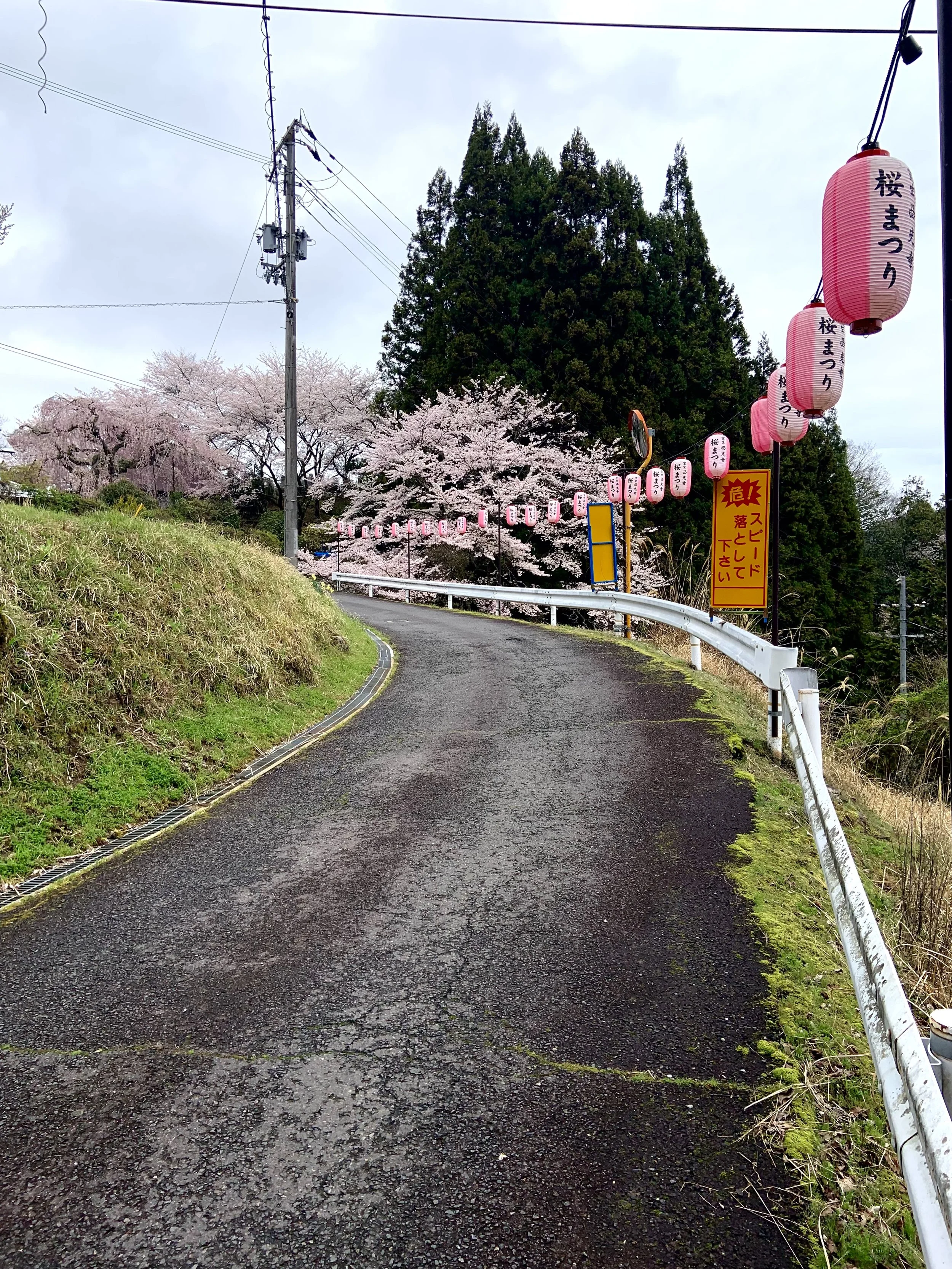
The walk up to Saikou-ji
Now halfway through our allotted time, I made the executive decision to book it to Saikou-ji, a supposedly “famous” spot for cherry blossom viewing, if the local tourism website is to be believed. It was thirty minutes away by walk, which I figured we could shorten without much effort.
Bilbo Baggins himself would have been absolutely befuddled by the route Google Maps led us on. A grassy knoll behind someone’s house and multiple switchbacks were crossed before reaching the sweaty summit, where we spent all of five minutes upon realizing the cherry blossom festival was more of a locals-only affair. Saikou-ji itself was merely a shed-sized building with a singular weeping sakura tree draped around it, though I particularly like the photos I took here of the pink lanterns and the view of the village from above, dotted with pink throughout.
Laughing at our misfortune, Taka and I made our way back down to the bus station, this time finding a way that didn’t involve near-trespassing. Multiple grannies on their way to the festival greeted us warmly, brightening an otherwise lackluster start to the trip. So quick were we to get back to the bus station that we had half an hour to enjoy our yomogimochi fresh off the grill, taking in the last of the misty mountain views.
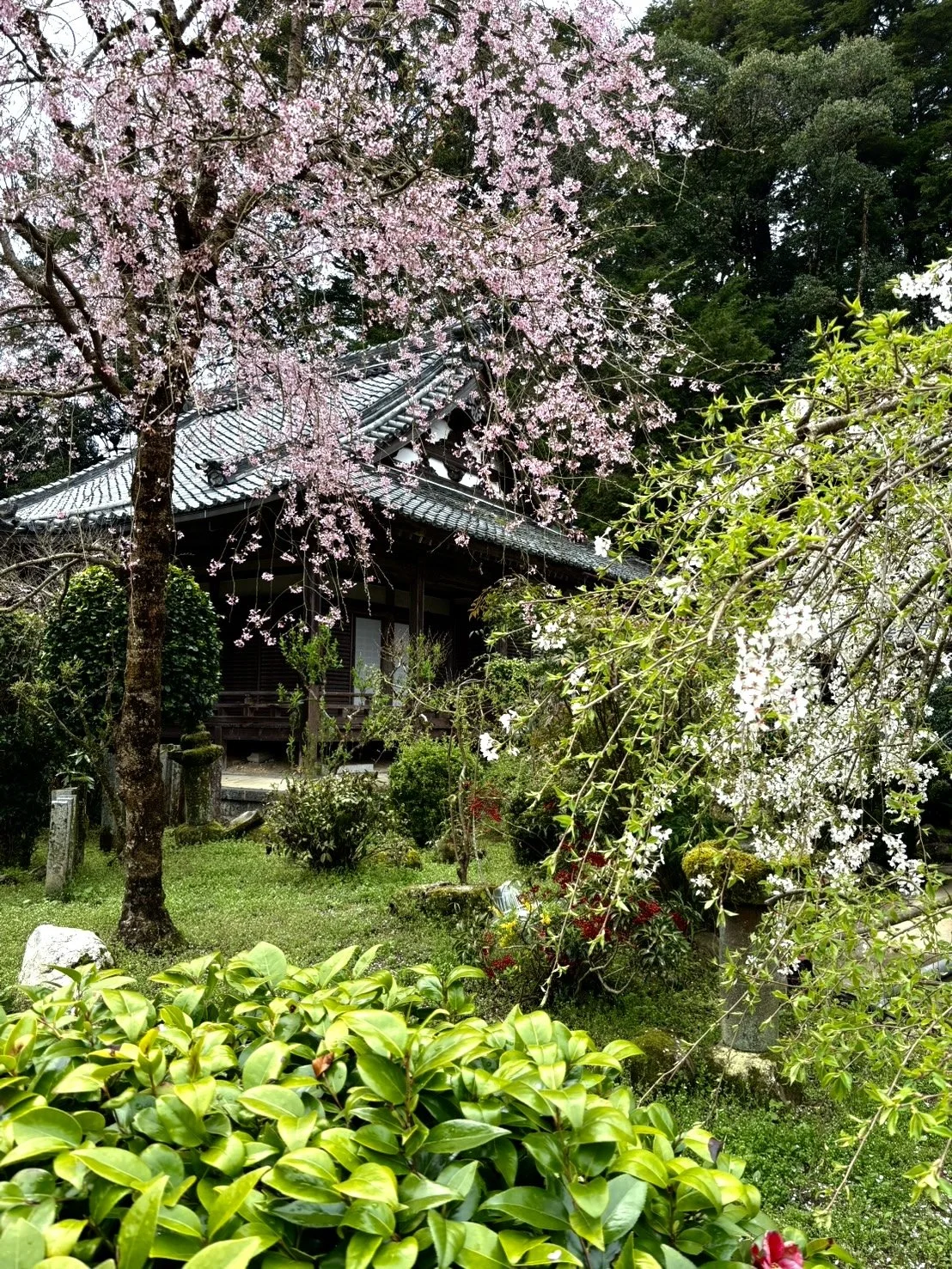
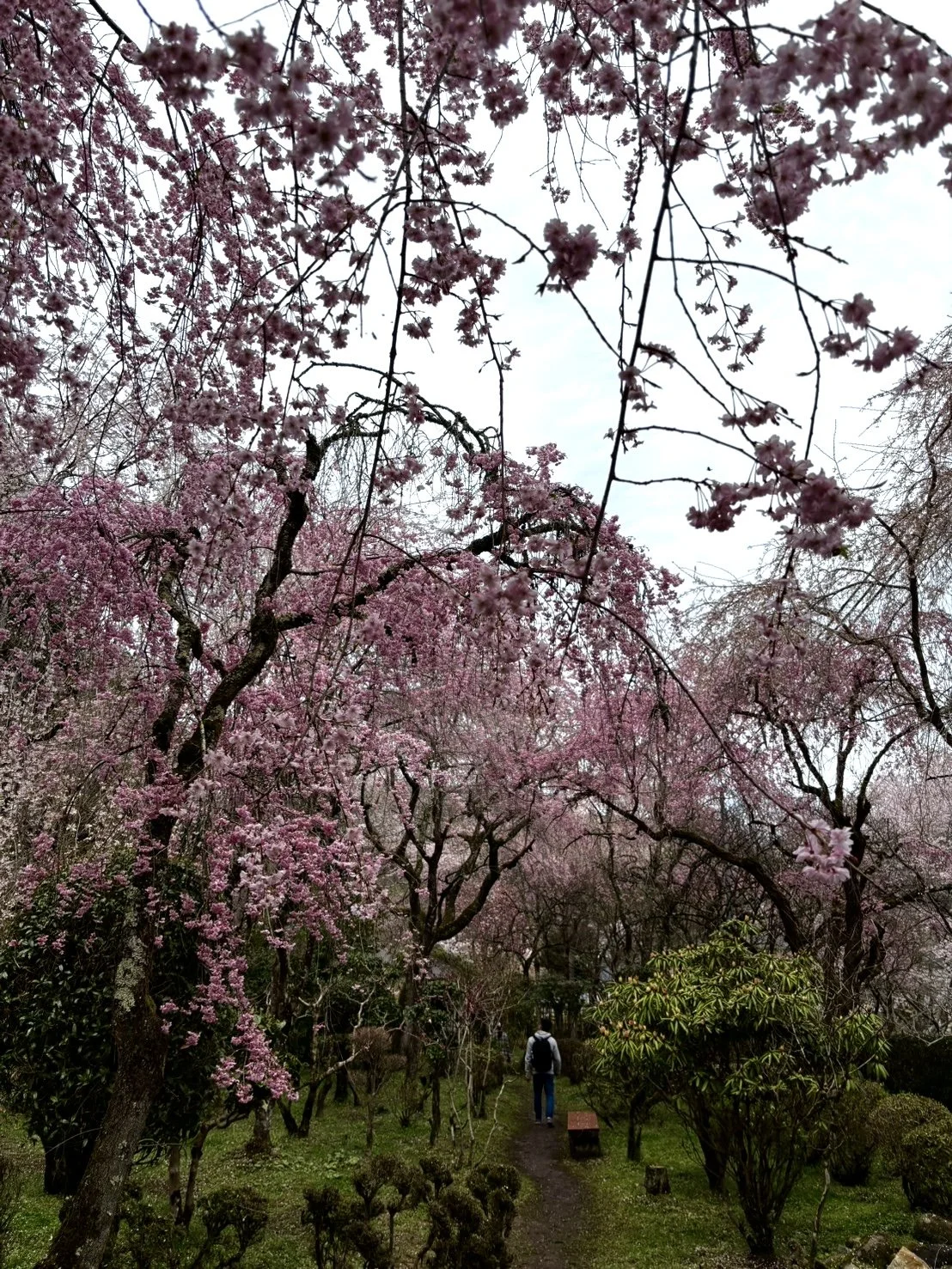
On the bus ride back (which was delayed by more than a few minutes, tmind you), we stopped by Ono-ji, a temple minutes away from Muroguchi-ono Station that is straight out of The Secret Garden. Go left and find latticed wooden buildings sitting beneath a weeping cherry tree with a giant Buddha carved into the rock face across the way. Go right and find an entire lane of weeping cherry trees just begging you to spend an afternoon reading there. In the middle, red-clothed tables were set up for a tea ceremony later on.
With that, it was time to head to Uda for lunch.
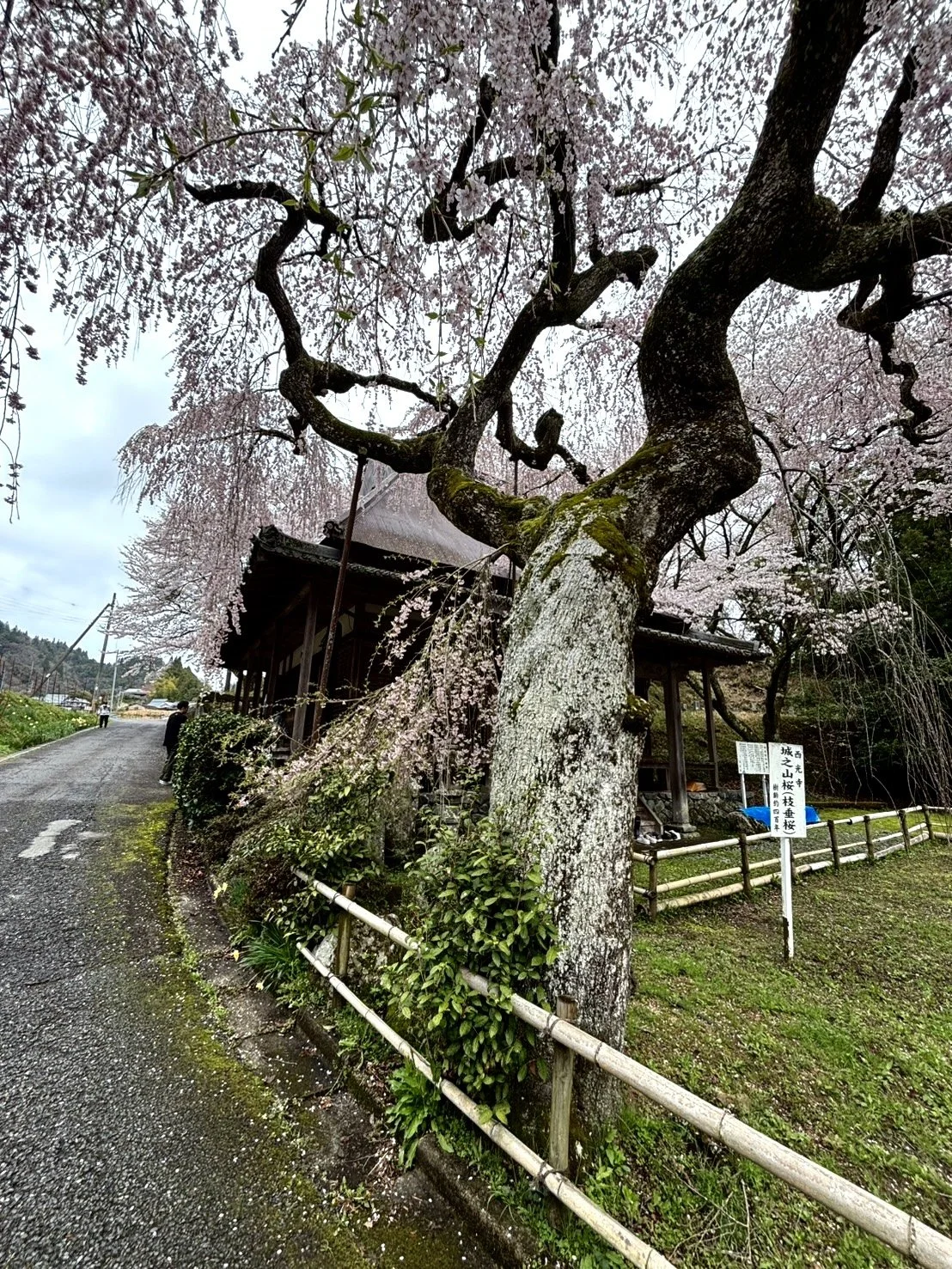
A serendipitous stroll in Uda
Unfortunately, I’d neglected to double-check the train times when I’d moved our trip up a week, so we had to wait once again, which was quickly becoming a pattern.
The waiting continued at our selected cafe, where we entered at 12:50 and didn’t leave until well after 2. Only during the last ten minutes of that window were we actually eating, gobbling up our galettes in a starved frenzy. Boy, did my knees cry out after sitting on the tatami mat for that long!
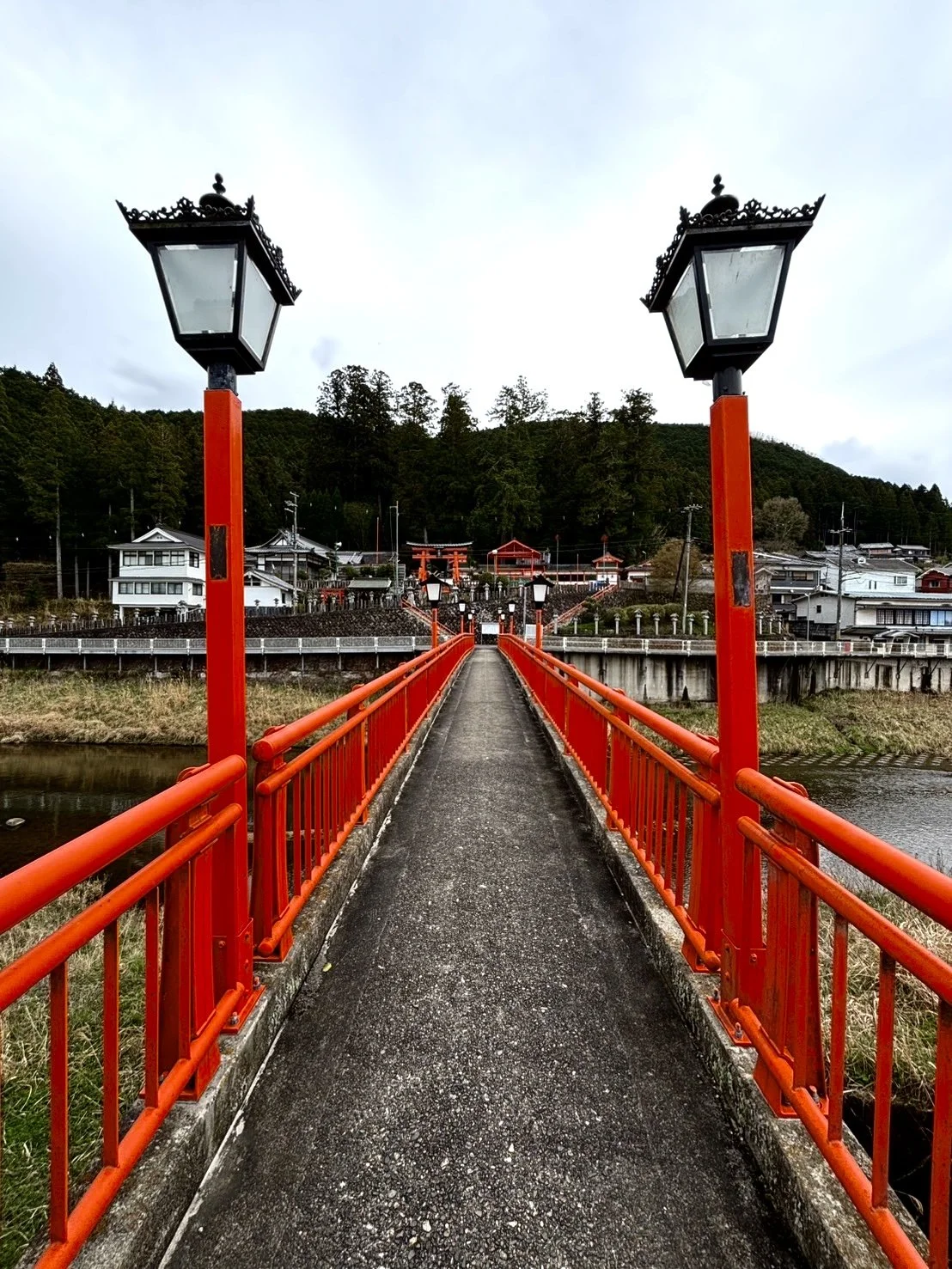
Finally, it was time to explore. First on the docket was Sumisaka Shrine, just a hop and a skip from the restaurant. Tiny in scale, the vermillion bridge and torii gates contrasted beautifully with the cloudy sky, even from a distance. We didn’t spend more than a few minutes there, but I liked it all the same.
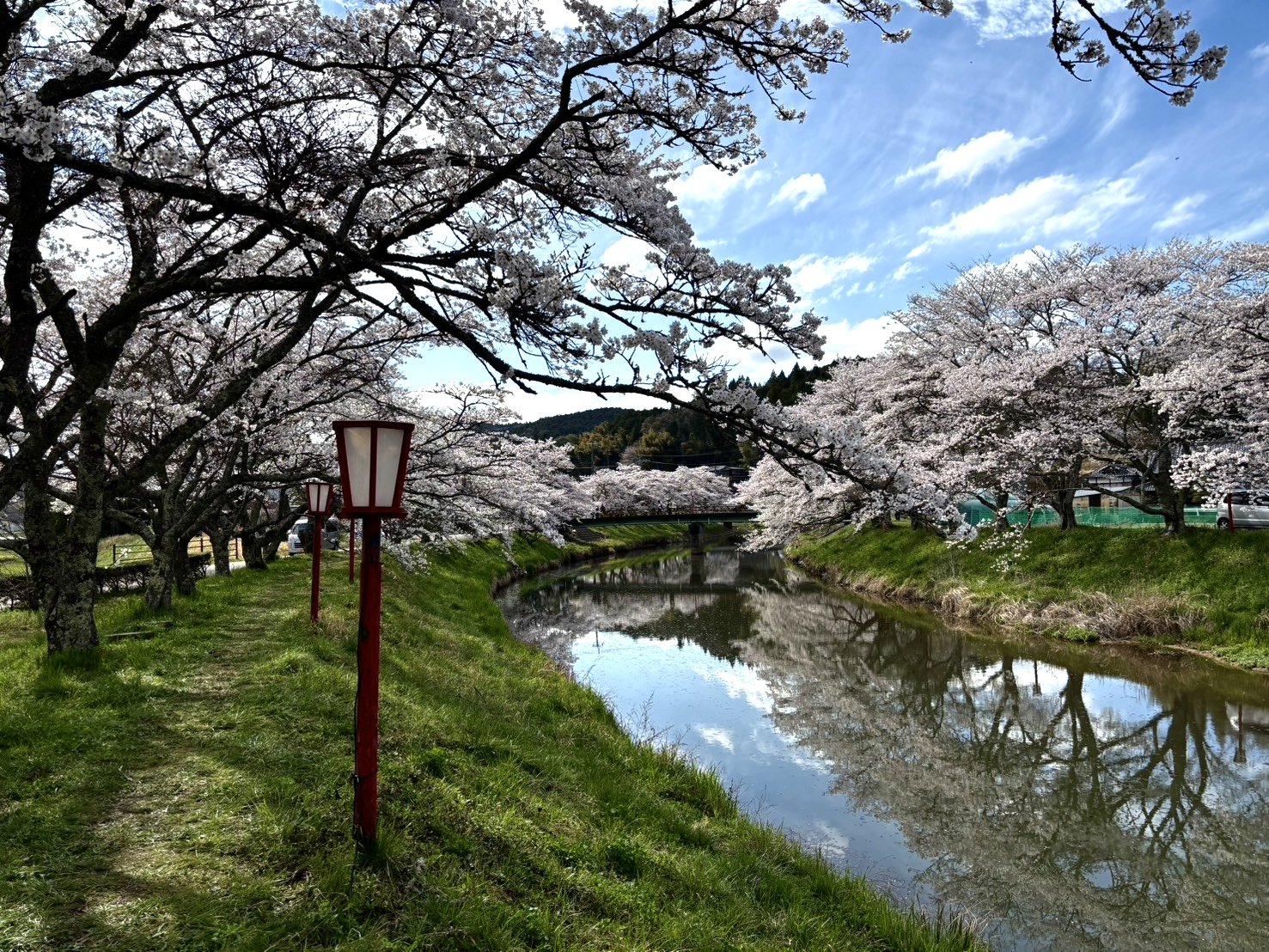
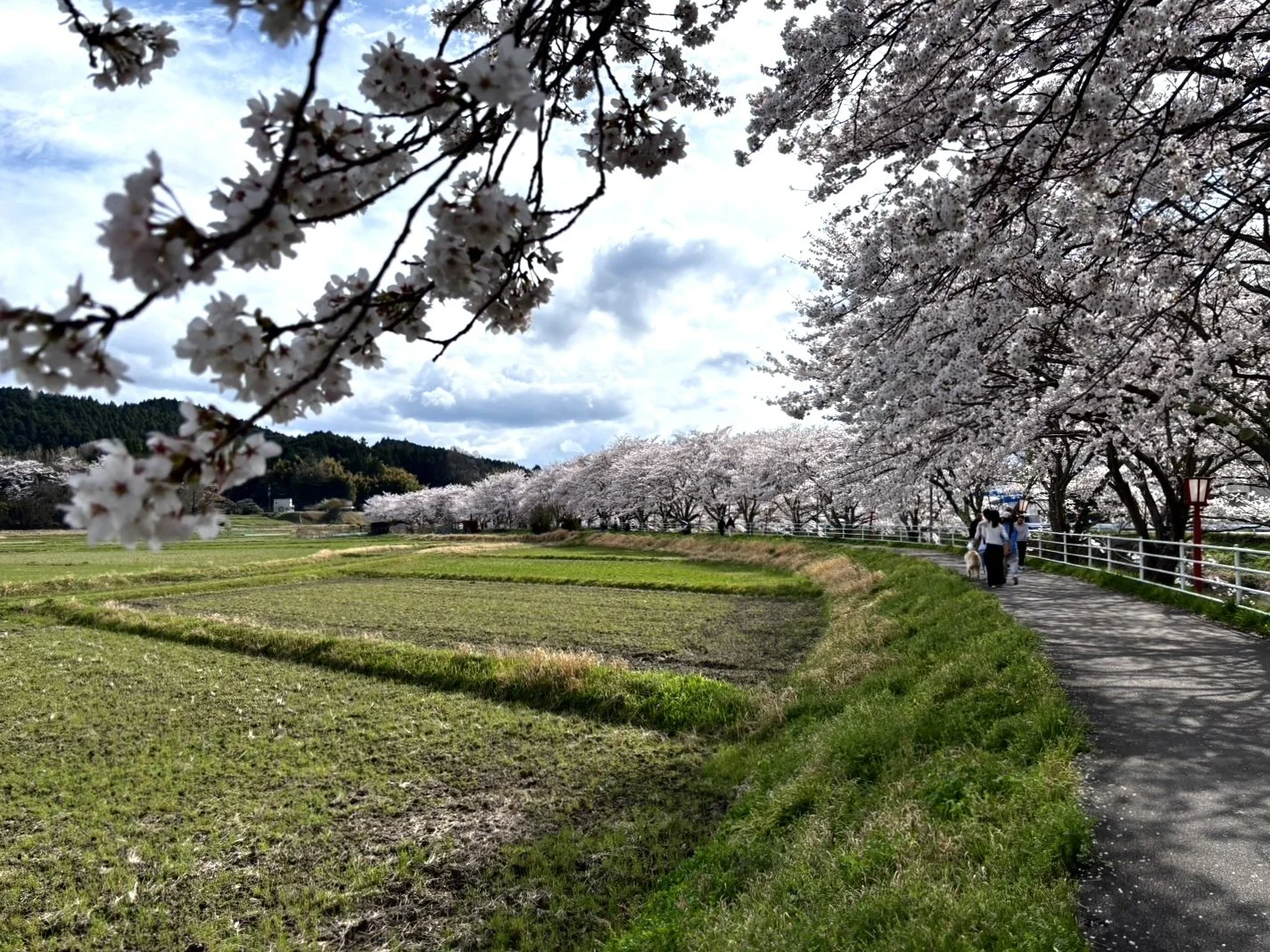
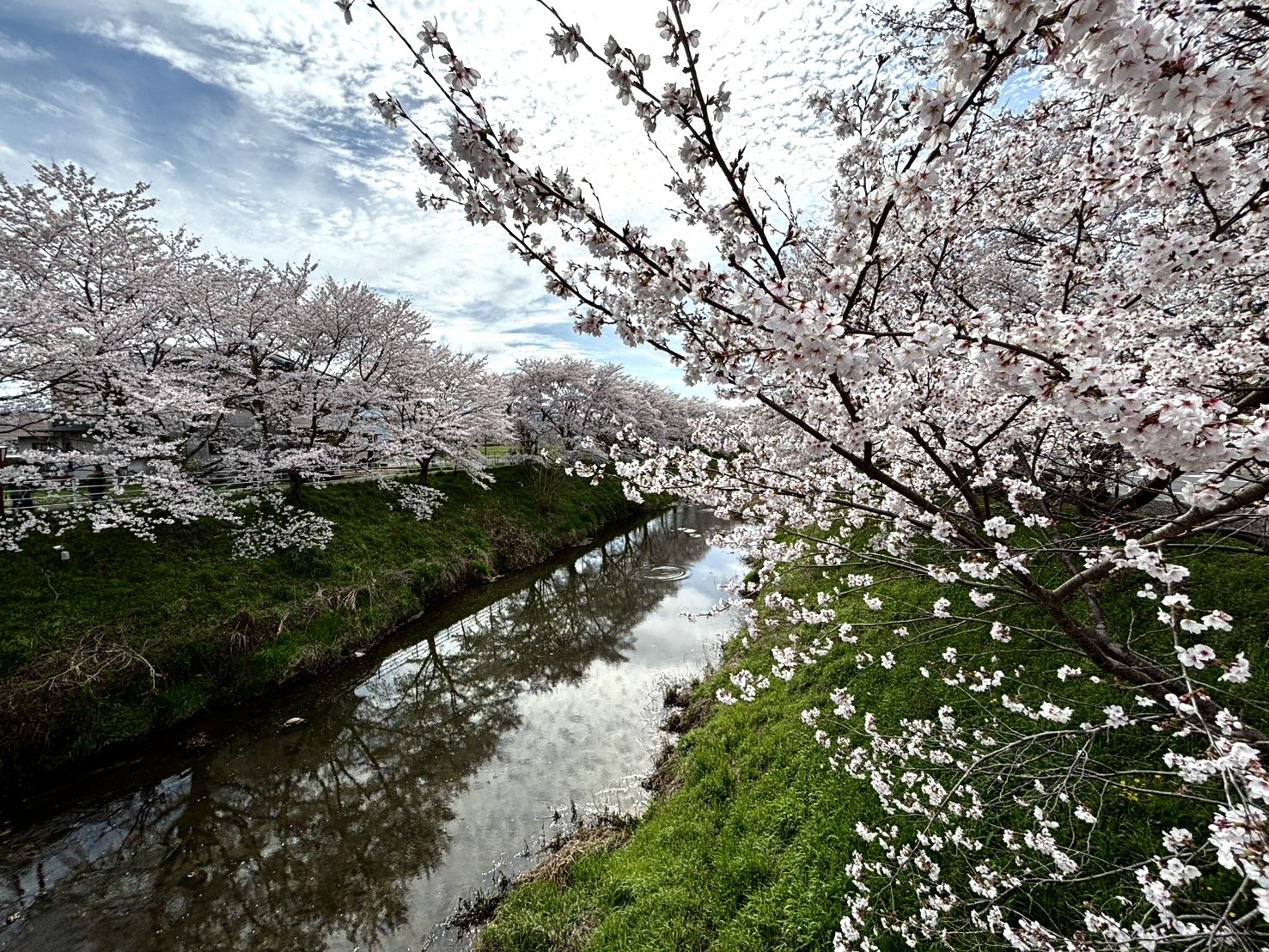
Our route ended up working perfectly, because we simply had to walk further down the riverbank to find the main attraction, Kajiri no Sakura, or “Cherry Trees on the Uda River,” as it’s so aptly named in Google Maps. Here, the cherry trees yawn across either side of the riverbank until the endpoint, Sasagaku Park.
This sakura season, I’d been manifesting a scene straight out of an ukiyo-e (Japanese woodblock print): sitting on the riverbank, eating yomogimochi, sipping a matcha latte under the cherry trees with petals floating down all around us. Time would stand still, and Taka and I would while away the afternoon in utter bliss.
Sitting under the sakura at Sasagaku Park
What I didn’t account for was my husband’s impatience and my low bladder capacity. The two of us ended up tearing into the leftover yomogimochi just before finding a spot to sit down, and once we’d made it to the paved steps at Sasagaku Park, both of us had to pee. Suffice to say, we didn’t spend the entire afternoon there. Nevertheless, it was a gorgeous walk. Groups of women were dressed up for photo-ops and cute pups abounded, which is all anyone can ask for on a cherry blossom stroll.
There are many more famous spots to see sakura in Uda, such as the Matabe Zakura weeping cherry tree or Butsuryu-ji Temple, to name a couple. I didn’t see the appeal in going all that way to see a singular tree, but that’s just me. There’s also Yatagarasu Shrine, which is more famous for its multicolored hydrangeas in the summer, Cafe Sora, an animal-themed cafe in front of Uda Animal Park selling matcha lattes and cookies, and Ouda Onsen.
Once more, the once-an-hour bus schedule forced me to decide what I most wanted to see, and the riverside area and shrine were plenty enough for me. Going on 3:30, we picked up cheap green tea at the supermarket and headed home.
Final thoughts
Perhaps it sounds as though I regretted my time in Uda and Murou. Not so. In my view, not every trip is going to blow you out of the water, and that’s okay. When you are limited in transportation, time, and funds, it’s only natural that you won’t get everything out of a place. What matters is what you do manage to take away from it.
Even if I am unlikely to come back to the area, I’m glad I made it out to eastern Nara. As I am looking to the future, considering a move elsewhere in Japan, it is a relief to see as much as there is to see in this beautiful prefecture before my departure, however imminent or far away that may be.
Travel, like anything in life, will at some point bring disappointments and inconvenience. But this gives us more room to enjoy our most favorite destinations, and isn’t that wonderful? And with the dream trip I have coming up for my birthday at the end of the month, I am so looking forward to what else 2026 has in store for me. As I said at the top, the theme of this year is going to places I always say I want to visit, but that end up getting put on the back burner when some shiny new place catches my eye. This adventure in Murou and Uda was a part of that endeavor, less-than-stellar though it might have been.
So if you want to join me on the rest of my 2026 travels, you know where I’ll be!
Access:
Uda and Murou are challenging to navigate without a car, but it can be done. I recommend going on the weekends when the shops are open so you can get snacks or chat up the people around you while waiting for the buses. Be sure to plan your itinerary carefully, either way.
You can access both Murou (Muroguchi-ono Station, NOT Moriguchi Station) and Uda (Haibara Station) via the Kintetsu Osaka Line.
From Osaka Station, take the Osaka Loop Line to Tsuruhashi Station, transferring to Kintetsu Tsuruhashi Station to take the Kintetsu Osaka Line bound for Ujiyamada/Aoyamacho, getting off at Haibara or Muroguchi-ono Station (furthest away). Google Maps will suggest taking the Midosuji Line to JR-Namba and taking the Hinotori Limited Express bound for Nagoya in between, but this only adds time and cost, so I’ve kept it simple.
From Nara Station, take the Manyo Mahoroba line local to Sakurai Station, transferring to the Kintetsu Osaka Line bound for Ujiyamada at Kintetsu Sakurai Station. Get off at either Haibara or Muroguchi-ono Station (Muroguchi-ono Station is the furthest away).
To get to Murou-ji, take a seven-minute bus ride from Murouguchi-ono Station. Exit out of the gates and follow the ramp down to the bus station, which is across from the public toilets. The bus departs and returns once every hour. Ono-ji is a seven-minute walk from Muroguchi-ono Station, though you can also stop by on the bus ride back to the station, too. We didn’t go to Murou Art Forest, but it’s a 17-minute walk from Murouji Bus Stop. Saikou-ji is a 25 to 30-minute walk in the opposite direction from Murou-ji.
Kajiri no Sakura and Sumisaka Shrine are both about a ten-minute walk from Haibara Station.
A few more things to note: there are very few restaurants in Murou, and the few that are there don’t seem to have the best reviews (nor are they typically open during the week), so I recommend either packing a lunch or going to Uda for the second half of the day. That way, your return will be shorter and you’ll have your pick of cafes to choose from. Out of the two, Uda is a place you could definitely spend the entire day. There are countless temples and even an onsen (Ouda Onsen) if you are so inclined.
Planning on traveling to Japan? Sign up to get notified every time I post a new story. Like my work? Consider buying me a chai! Thank you so much for reading and supporting my work here at Koyo Travels.
