

Becoming a Tourist in My Husband’s Hometown of Nagoya, Japan
The travel diaries of a Nagoya convert
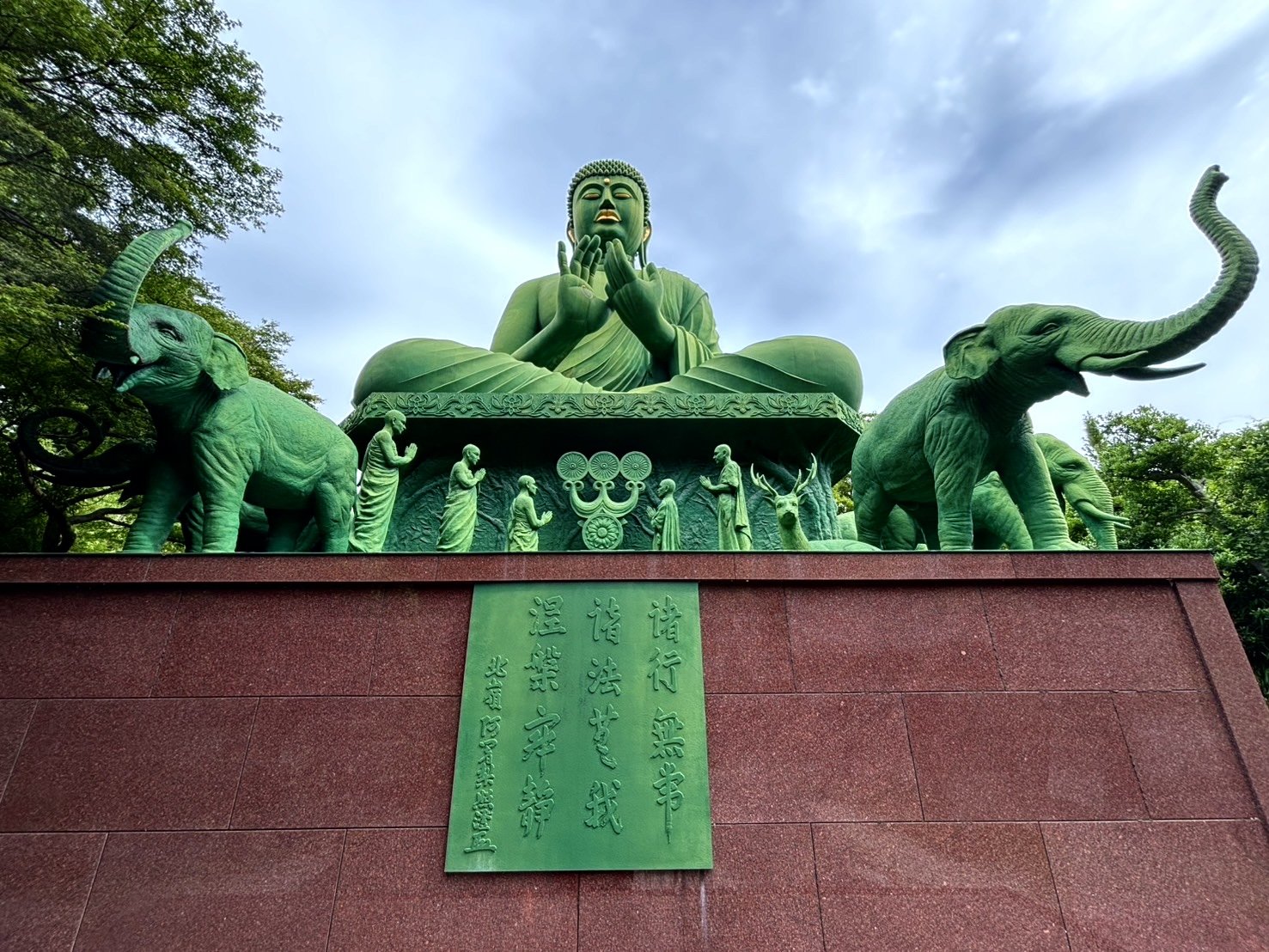
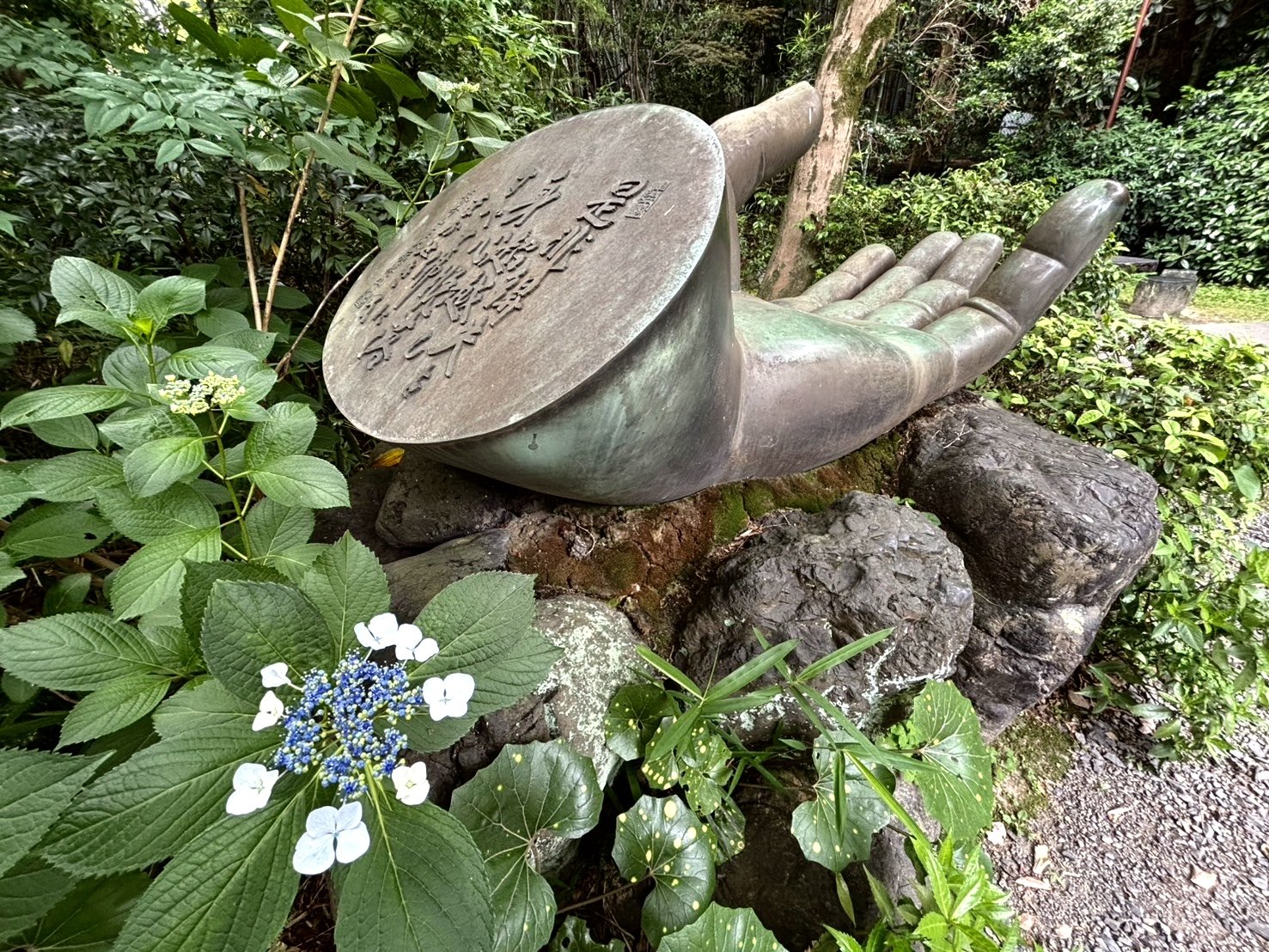
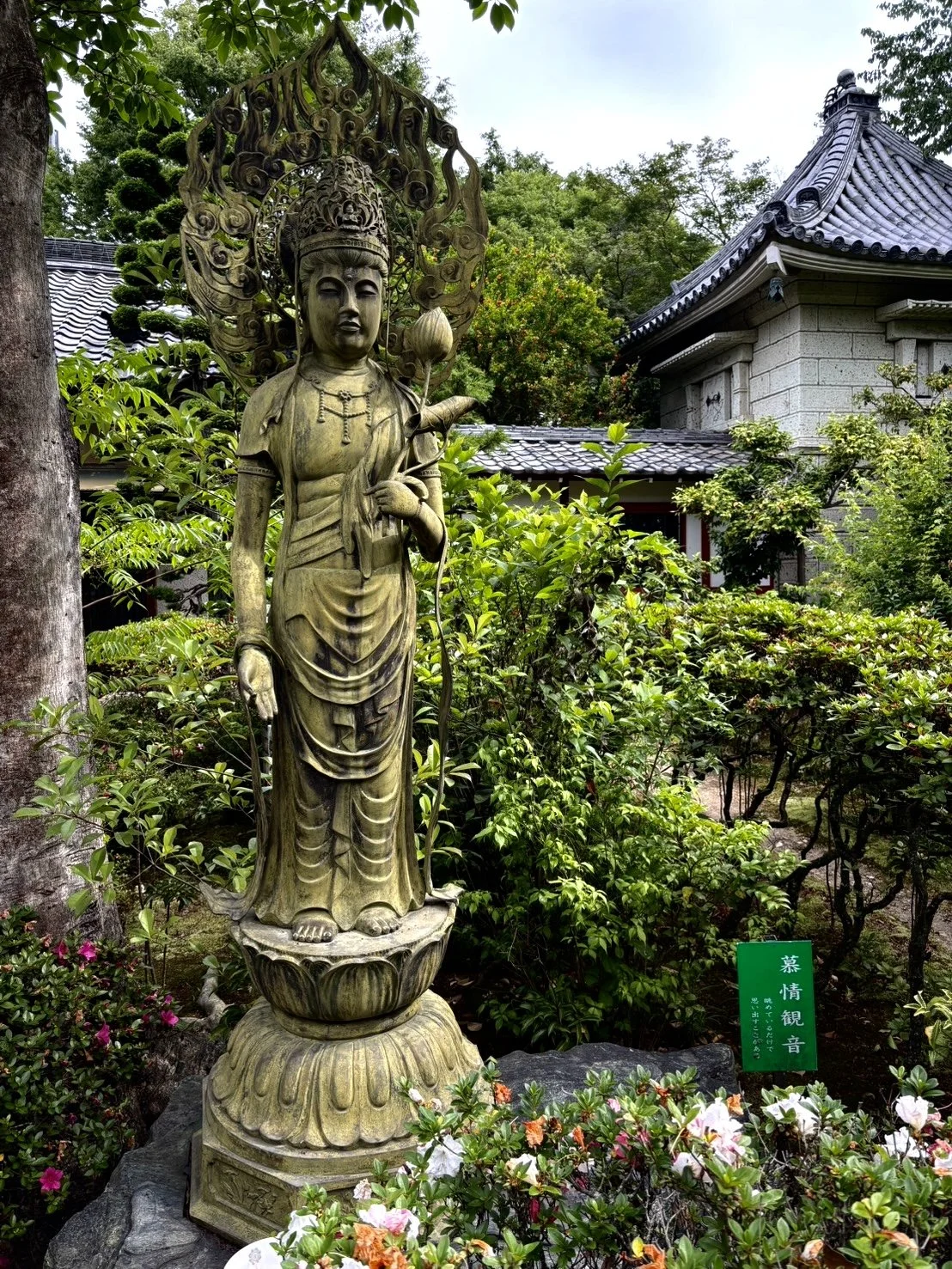
The magnificent green Buddha of Togan-ji.
For most people in Japan, visiting family means returning to rural hometowns to spend a weekend eating soba and soaking in the local day-use onsen with their wrinkly relatives. For my husband and me, our route looks the opposite: leaving my adored mountain town in eastern Nara Prefecture for the metropolitan grid of Nagoya proper.
I’m an admitted recovering Nagoya hater, who has many times over wished my husband had hailed from a more dazzling place.
Now that I’m working for a company that promotes tourism within Nagoya, however, I felt it was my duty to give this city another chance. And for a five-day workcation at the tail end of May, that’s just what I did.
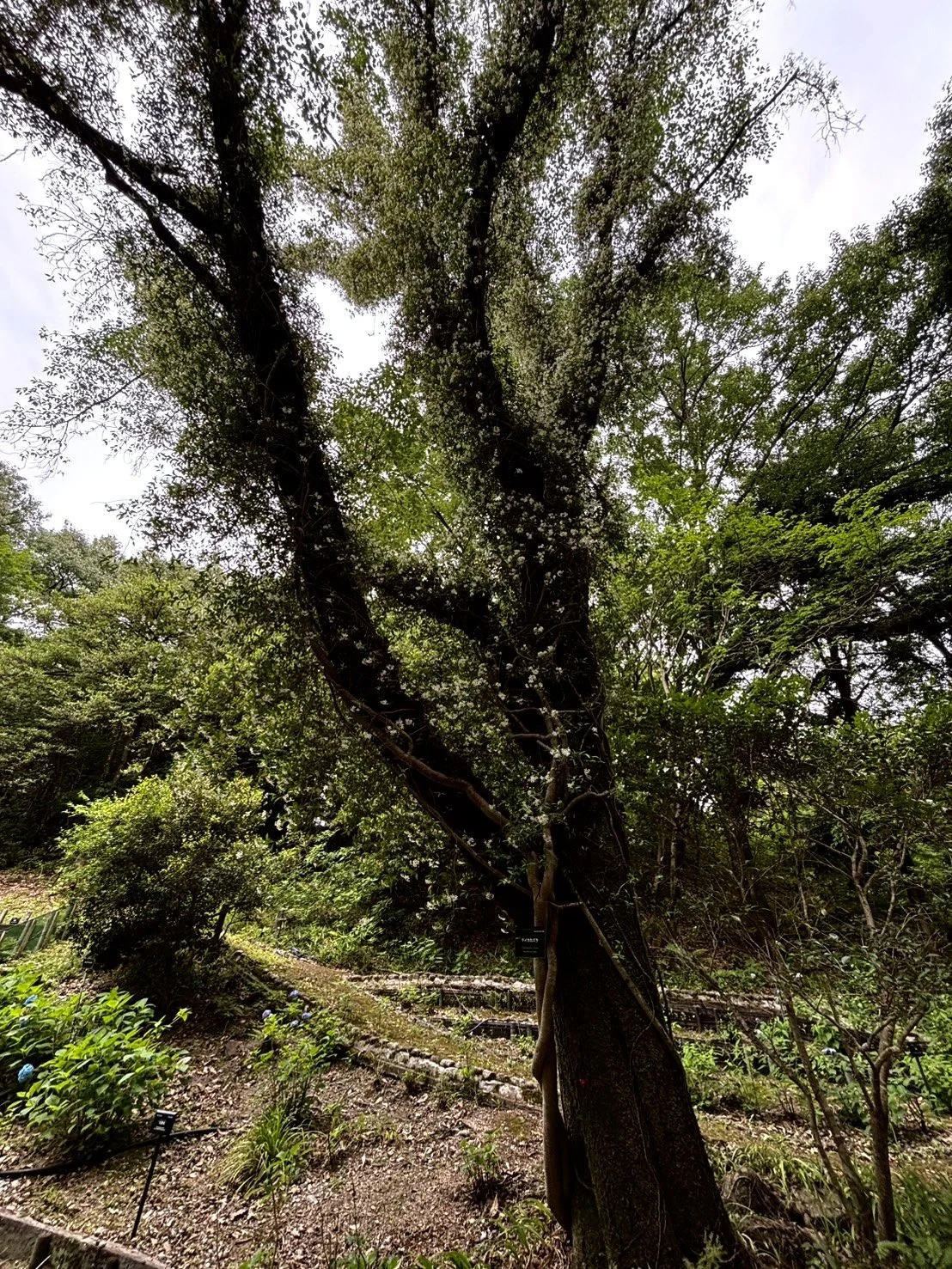
Getting my Nagoya religion
Normally, Taka and I return to Nagoya for major holidays and the occasional trip when my mother-in-law parks her broomstick in town. What prompted this spring excursion was a last-minute gifting of train ticket vouchers from my husband’s boss for the Kintetsu Nagoya line, which had to be used by the end of the month.
Things couldn’t have worked out any better. We burst into Hinode Ramen right at opening time for the usual order of the tuna miso butter ramen with egg yolk and bamboo shoots. This has become a bit of a tradition to have as our first meal upon arrival in Nagoya. The thick noodles coated in an eggy, rich sauce instantly make you forget the three-hour train journey it took to get here.
From there, Taka went home while I made my way to the office for the co-working day. I hadn’t shown my face at the office since February, so it was nice to talk without a computer screen between us.
Just after five, my husband met me at the office so we could pick up groceries on the way home, because I refuse to compromise on my daily breakfast of oatmeal and fruit, which necessitates a trip to Aeon every time we come.
Walking everywhere would become a staple on this trip, not just to save money, but to extend our time out of the house and on the ground of the city I was determined to get to know better.
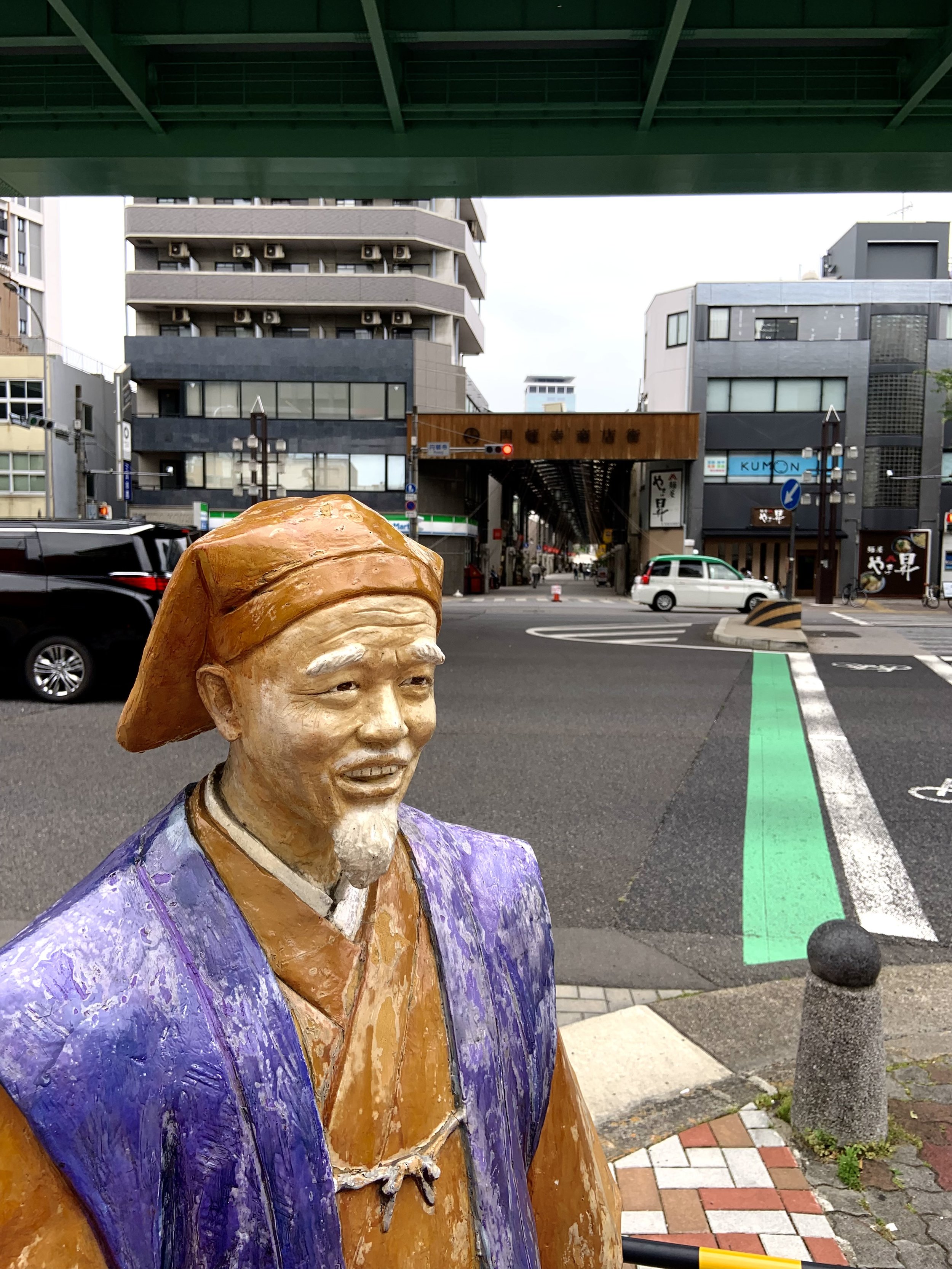
Working and traveling and working
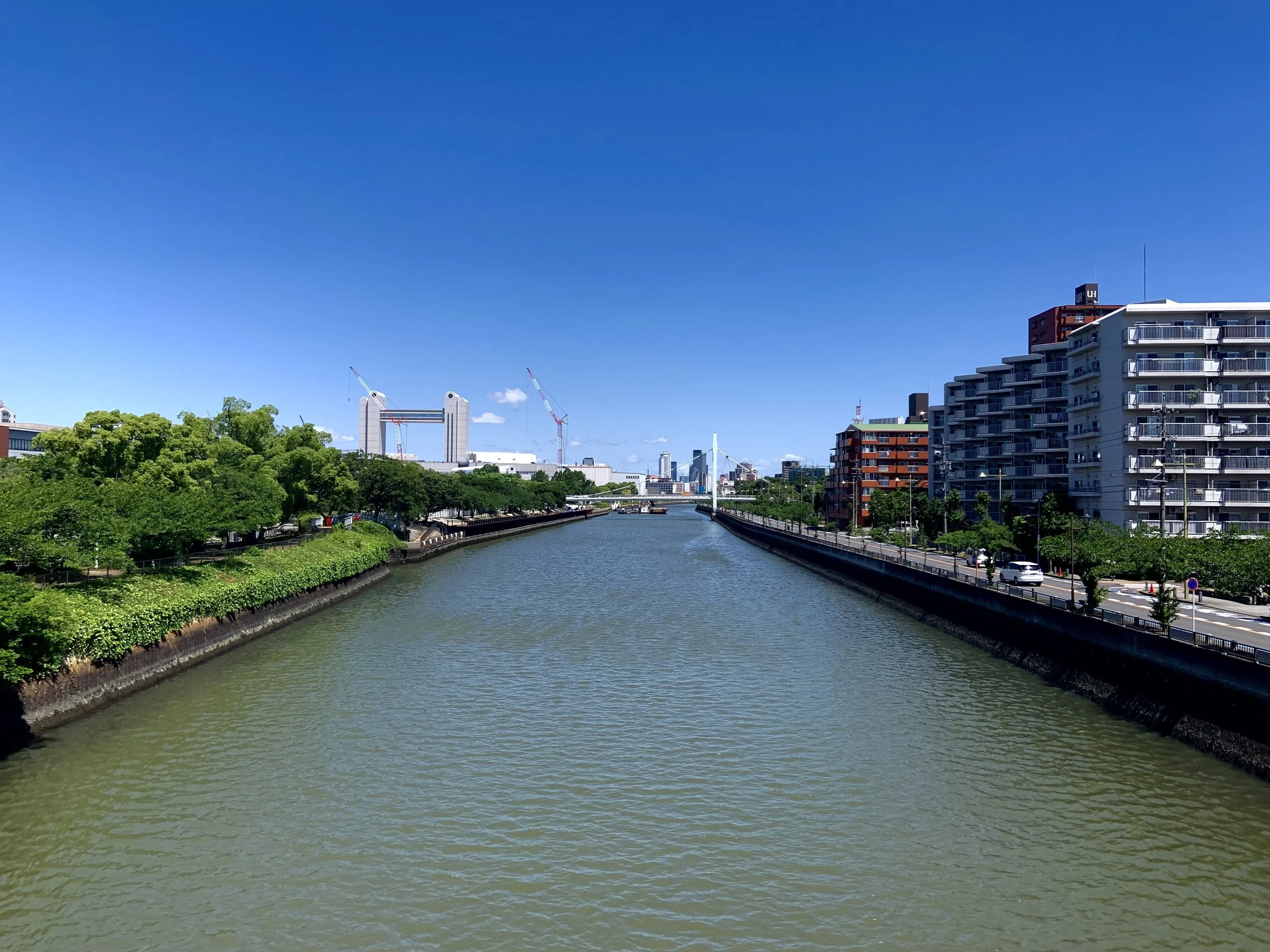
Thursday morning, I was joined by a massive turtle on my run along the Hori River. Debating whether to move it to safety myself, I locked eyes with a farmer tending to his fields nearby. Either he got the message or the turtle realized the error and returned to more reptile-friendly climes, because it was gone by the time I looped back around to see if I needed to recall the turtle-catching days of my youth in Michigan.
On today’s post-work agenda was Endo-ji and Shikemichi, a shopping street where merchants from nearby Kiyosu Castle once peddled. Though I’d made it well before 5 P.M., it being a weekday, the majority of the shops were closed. The main thoroughfare was populated only by a few youths and a couple inexplicably taking their wedding photos there.
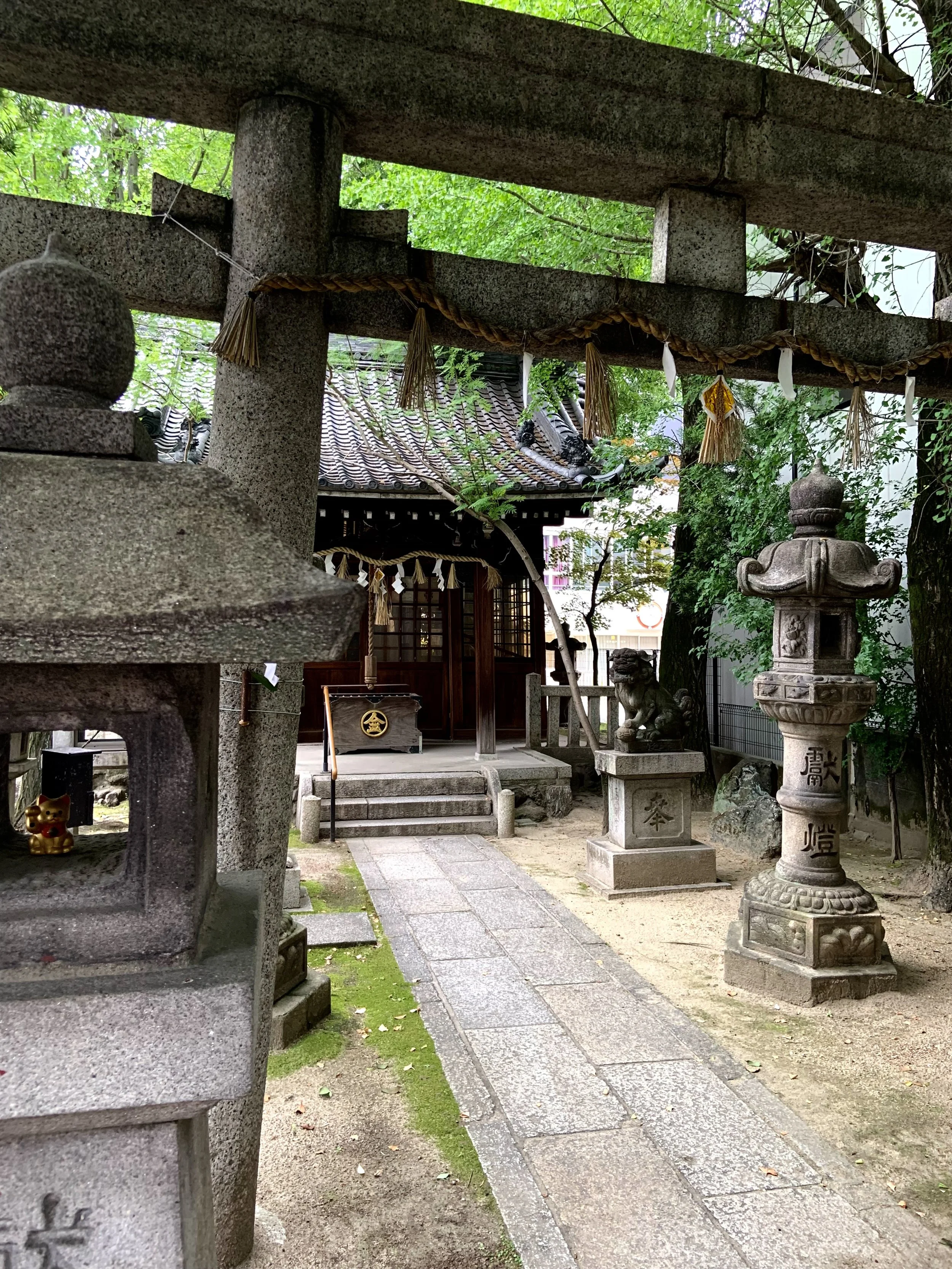
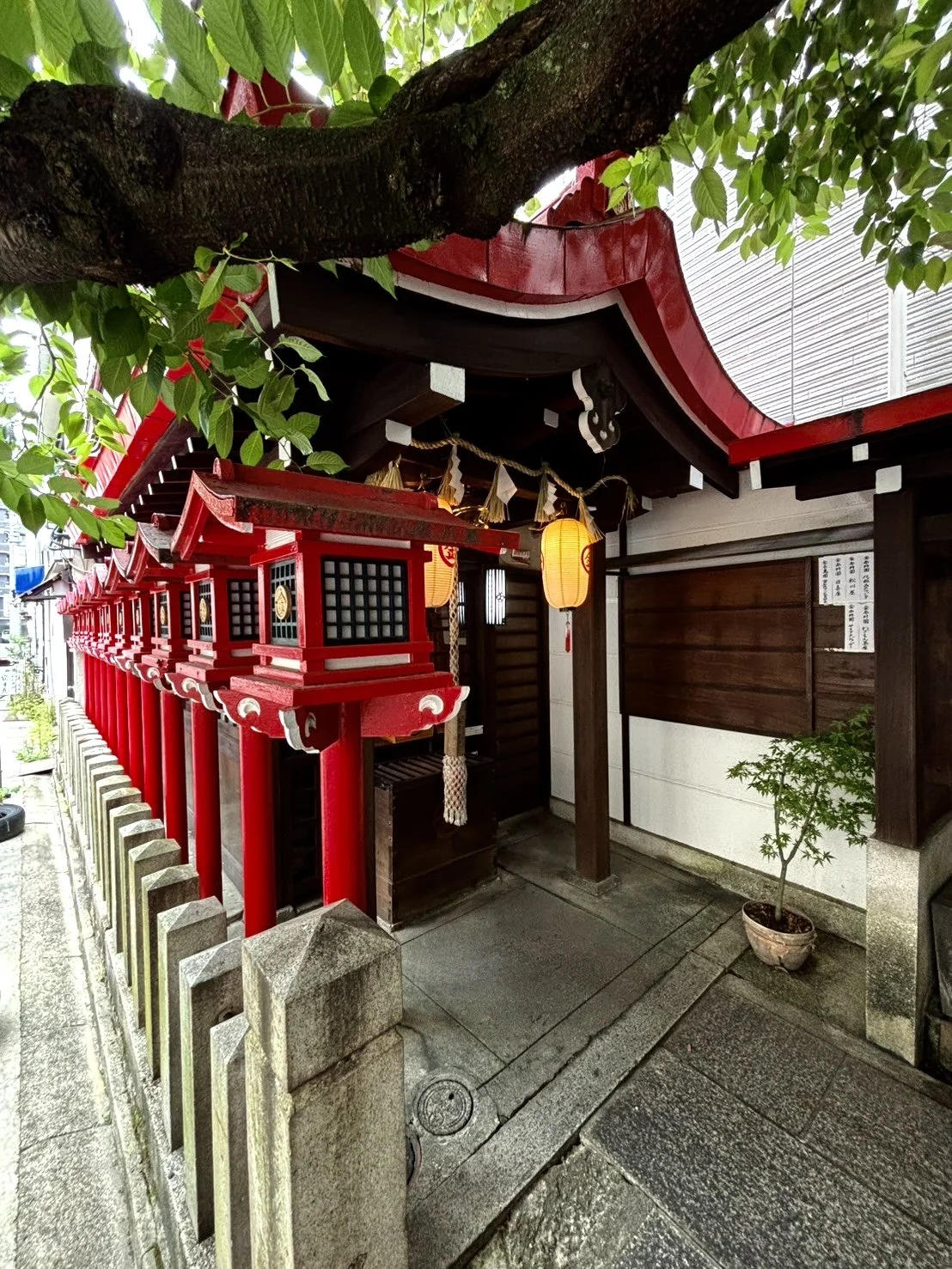
I was more successful on the shrine-hunting front. Konpira Jinja, a tiny shrine I’ve used photos of for my workplace’s blog countless times, was just off of Shikemichi Shotengai. The alcove is wrapped in red and blue lanterns, which I can only imagine look even better lit up at night. Kotohira Shrine had a similar feel, being tucked away in a local neighborhood.
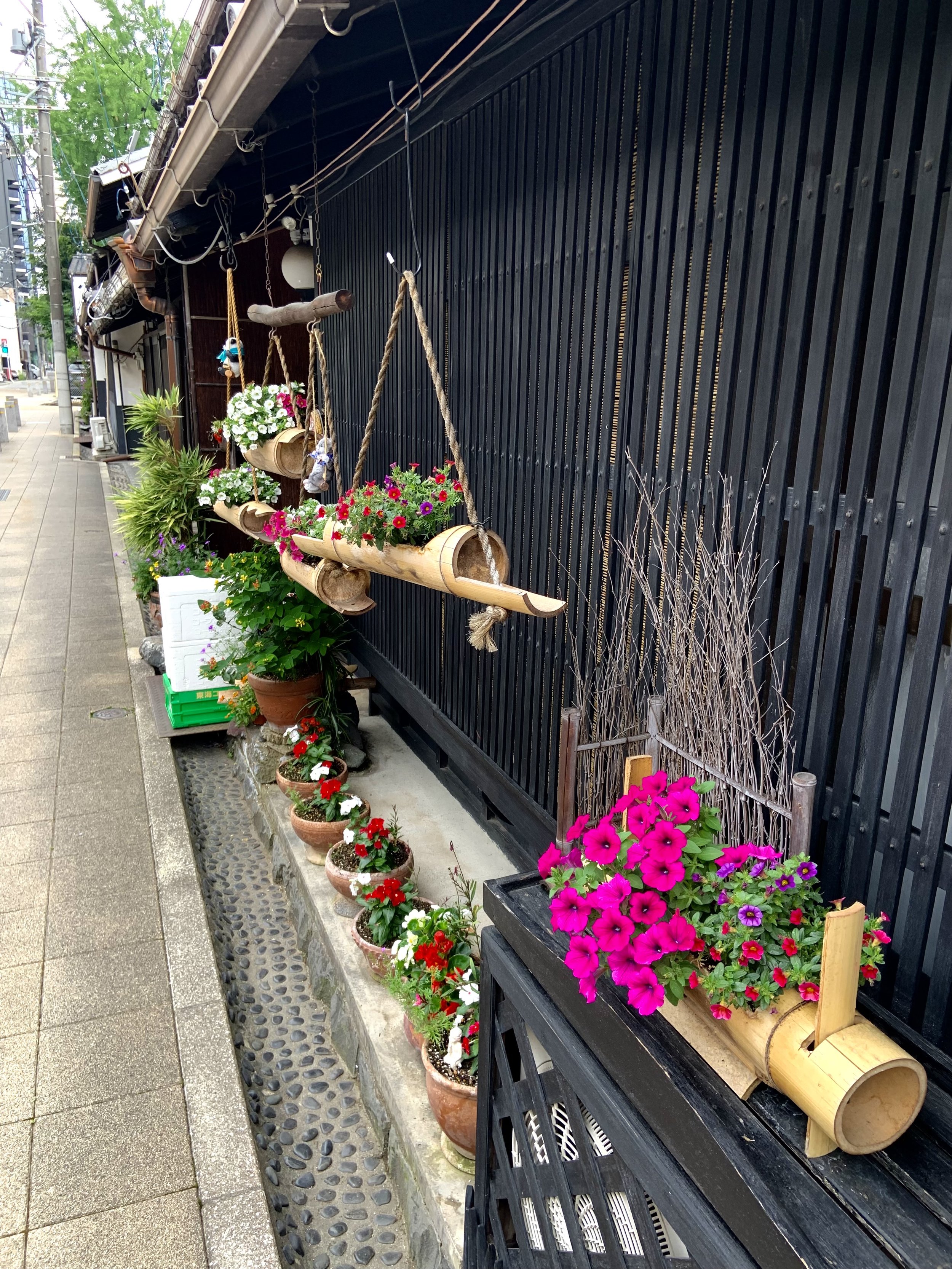
Sue me, I didn’t make it to Endo-ji itself, instead continuing the walk down Shikemichi and admiring the preserved traditional houses. The atmosphere was rather sleepy until we reached a conglomeration of trendy cafes, where I ordered a black honey latte at the behest of my wallet.
Things picked up on Friday, when my husband finally relented to venturing out to two of my most anticipated destinations for the week: Atsuta Jingu and Shirotori Garden. That is, after a morning set from my favorite Ogura toast cafe (sorry, I’m gatekeeping this one).
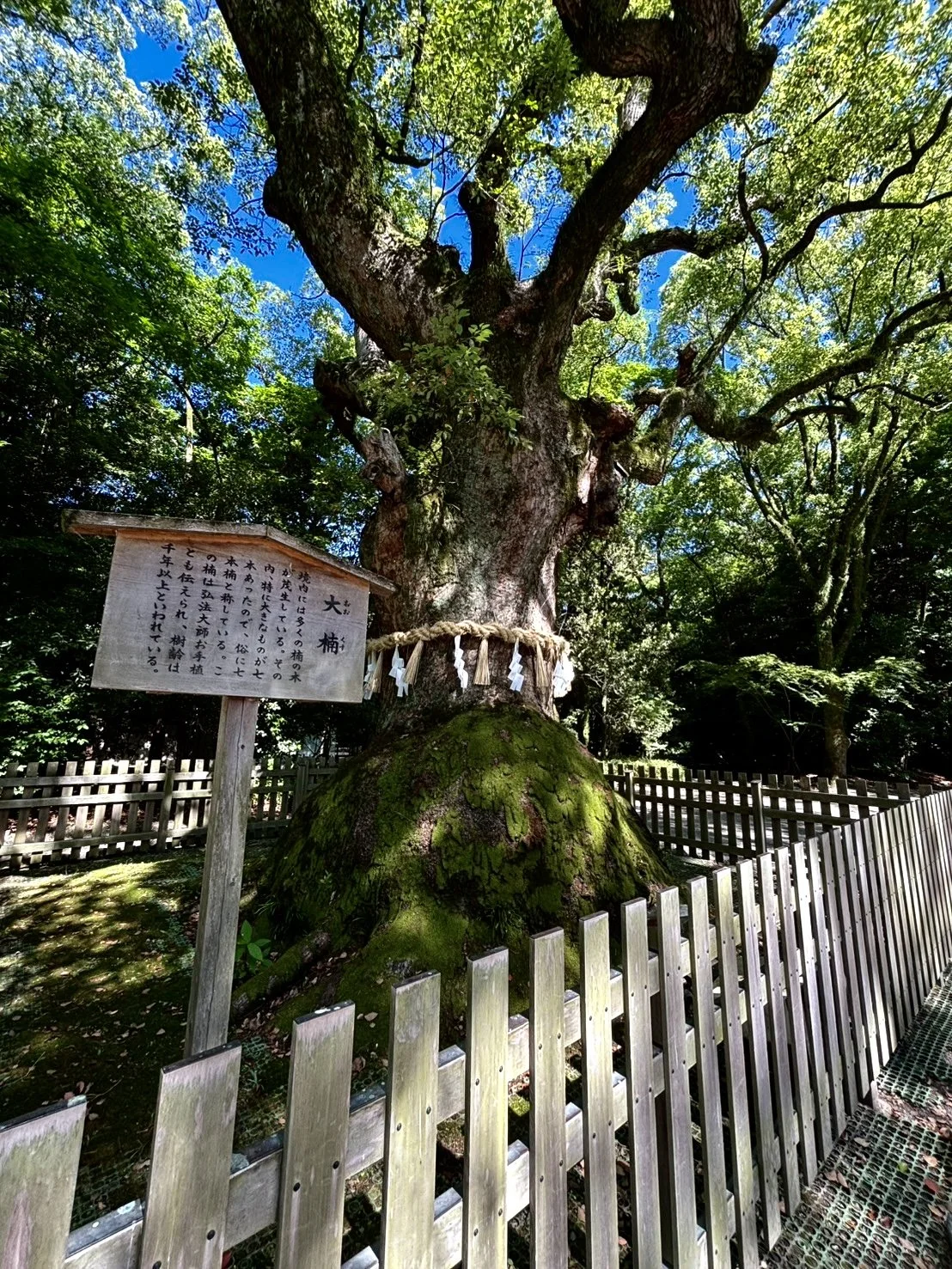
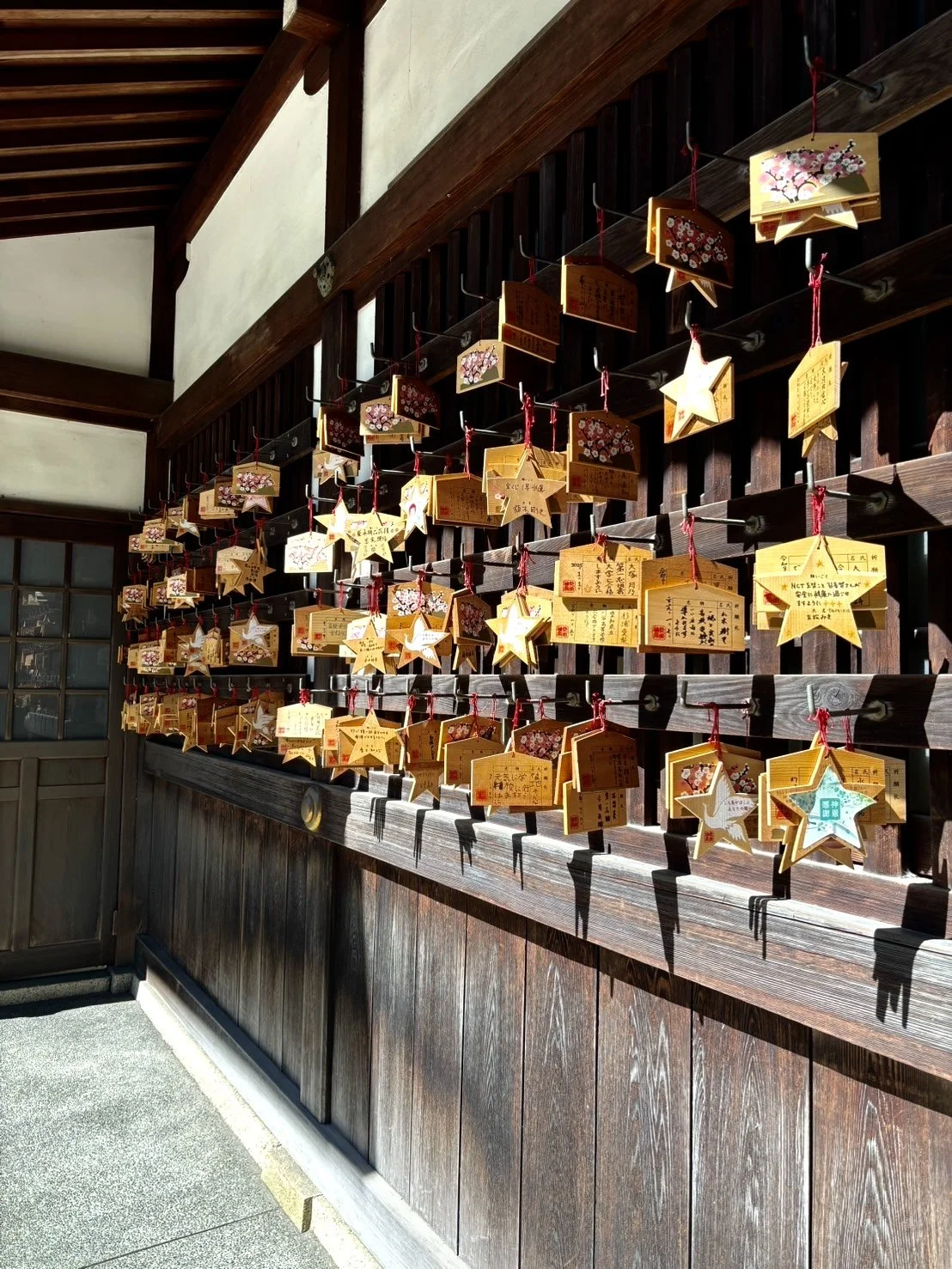
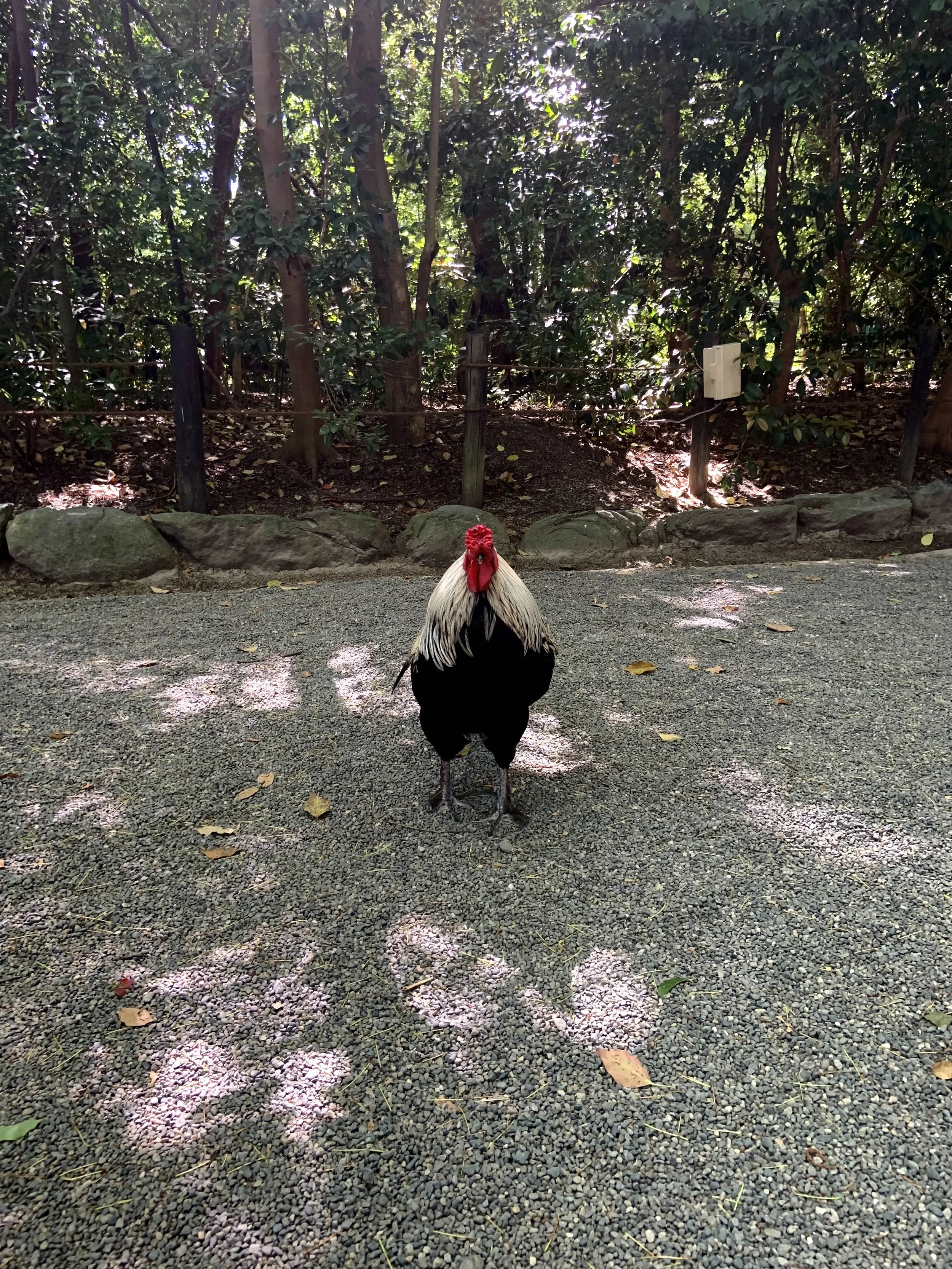
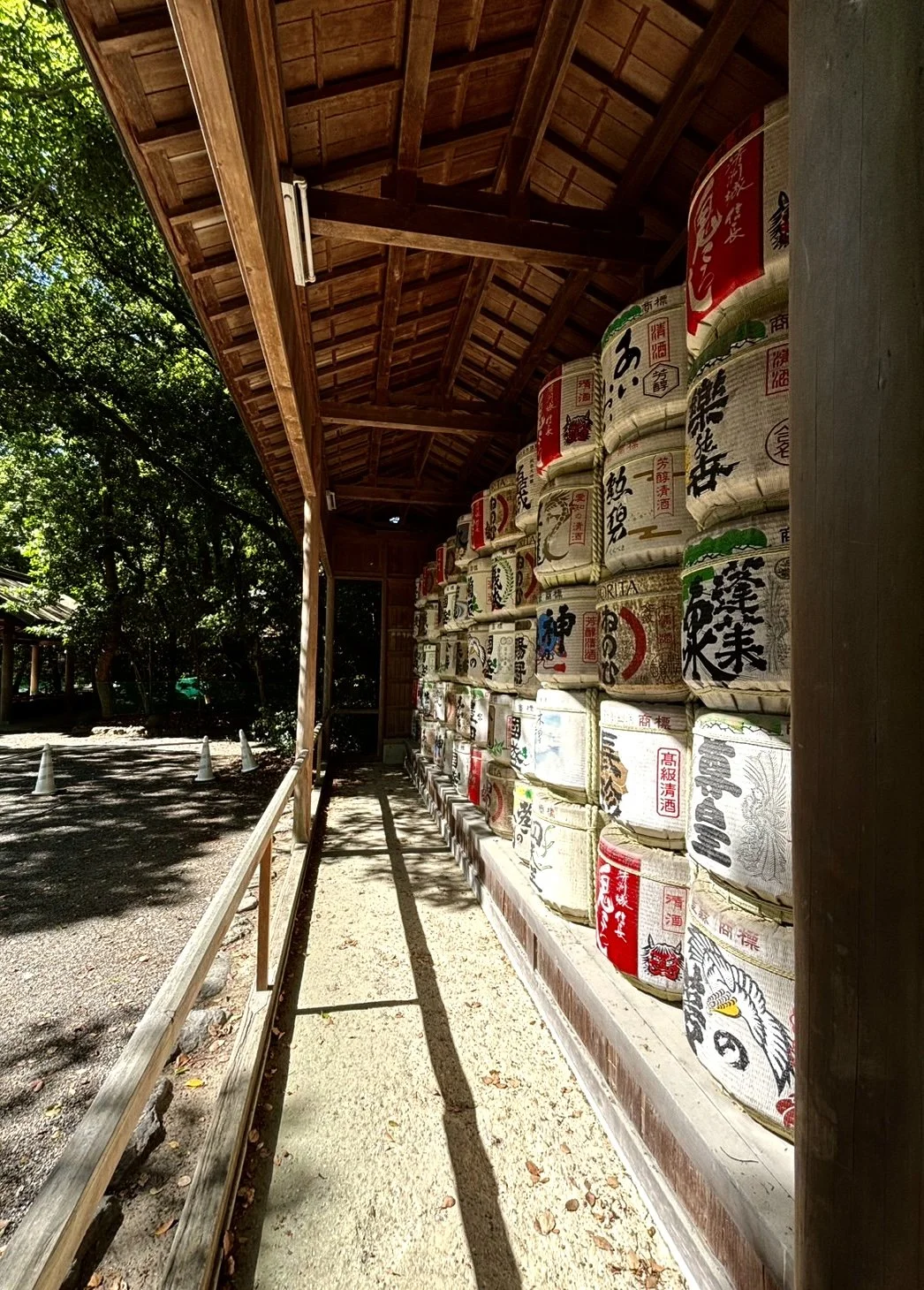
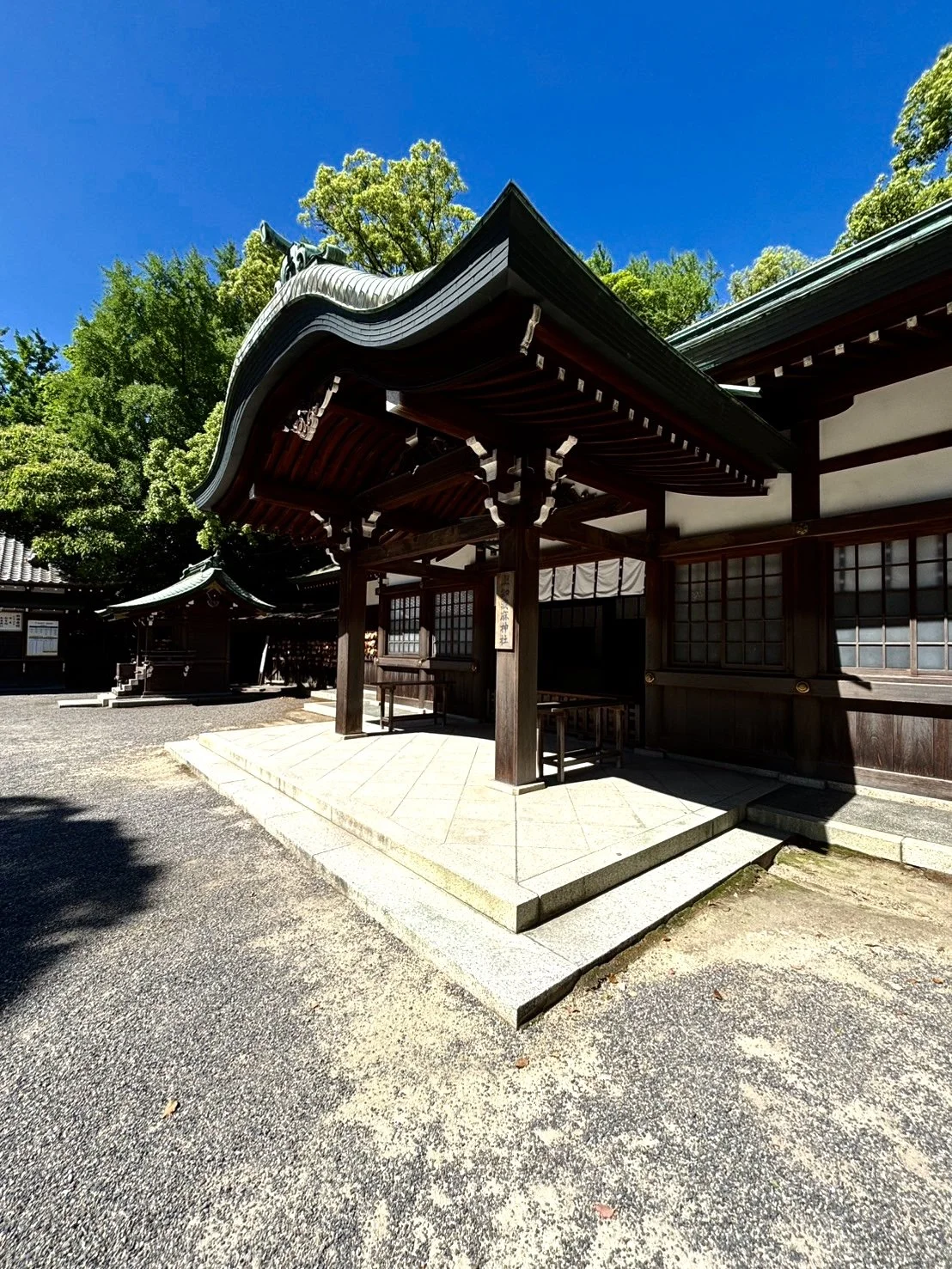
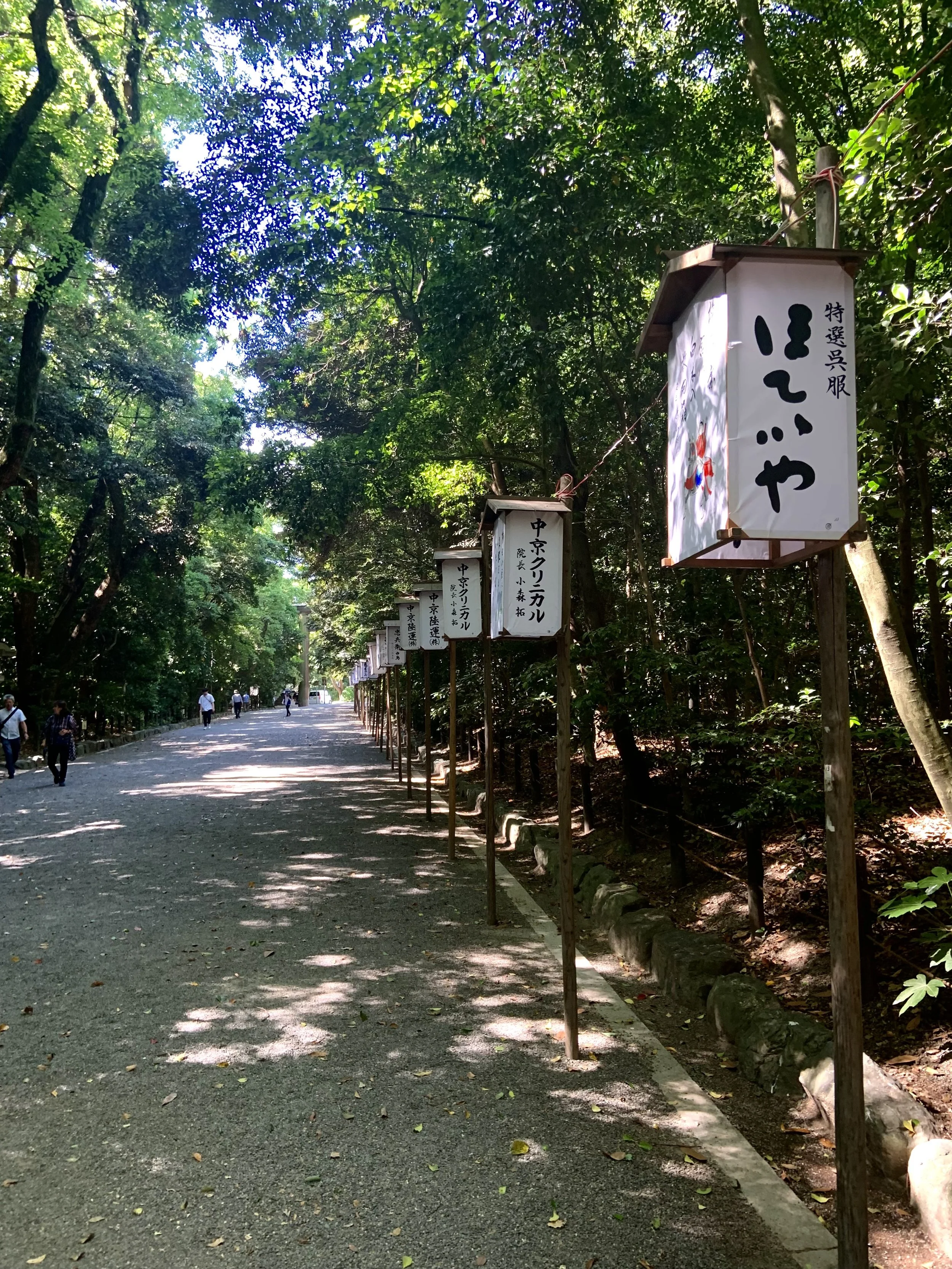
Shirotori Garden doesn’t open until nine, so the two of us headed to Atsuta Jingu first, where we were immediately greeted by two prideful roosters. Fitting in with the upscale Atsuta Ward housing it, Atsuta Jingu is where you go to luxuriate in Japan’s lush greenery. Lanterns hand-painted with florals lined the stone path, from which old sake barrel displays and iris ponds are just a hop and a skip away (sometimes literally). Such a thing can easily be expected in Nara, but to find such an escape right in the city was a pleasant surprise.
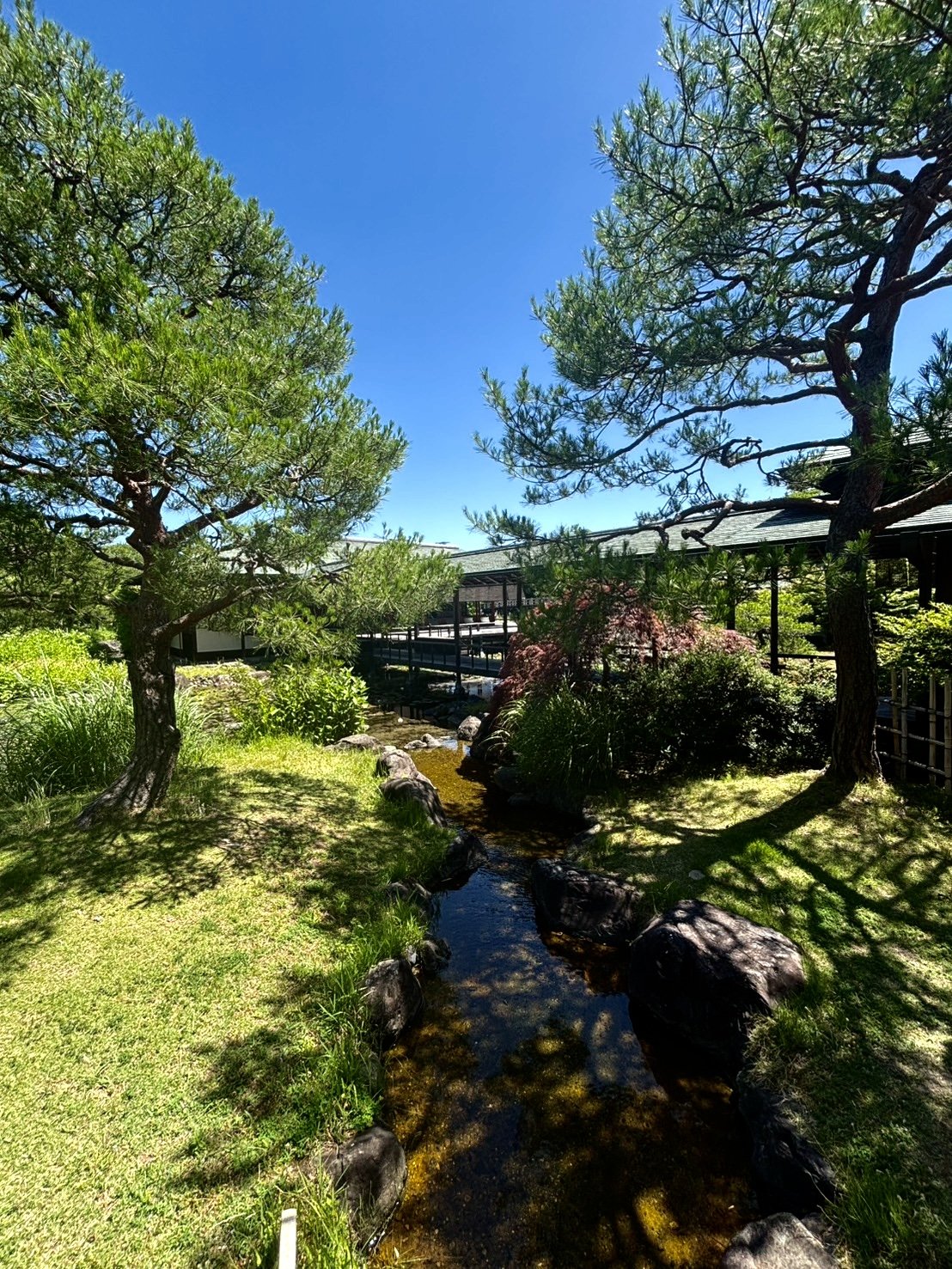
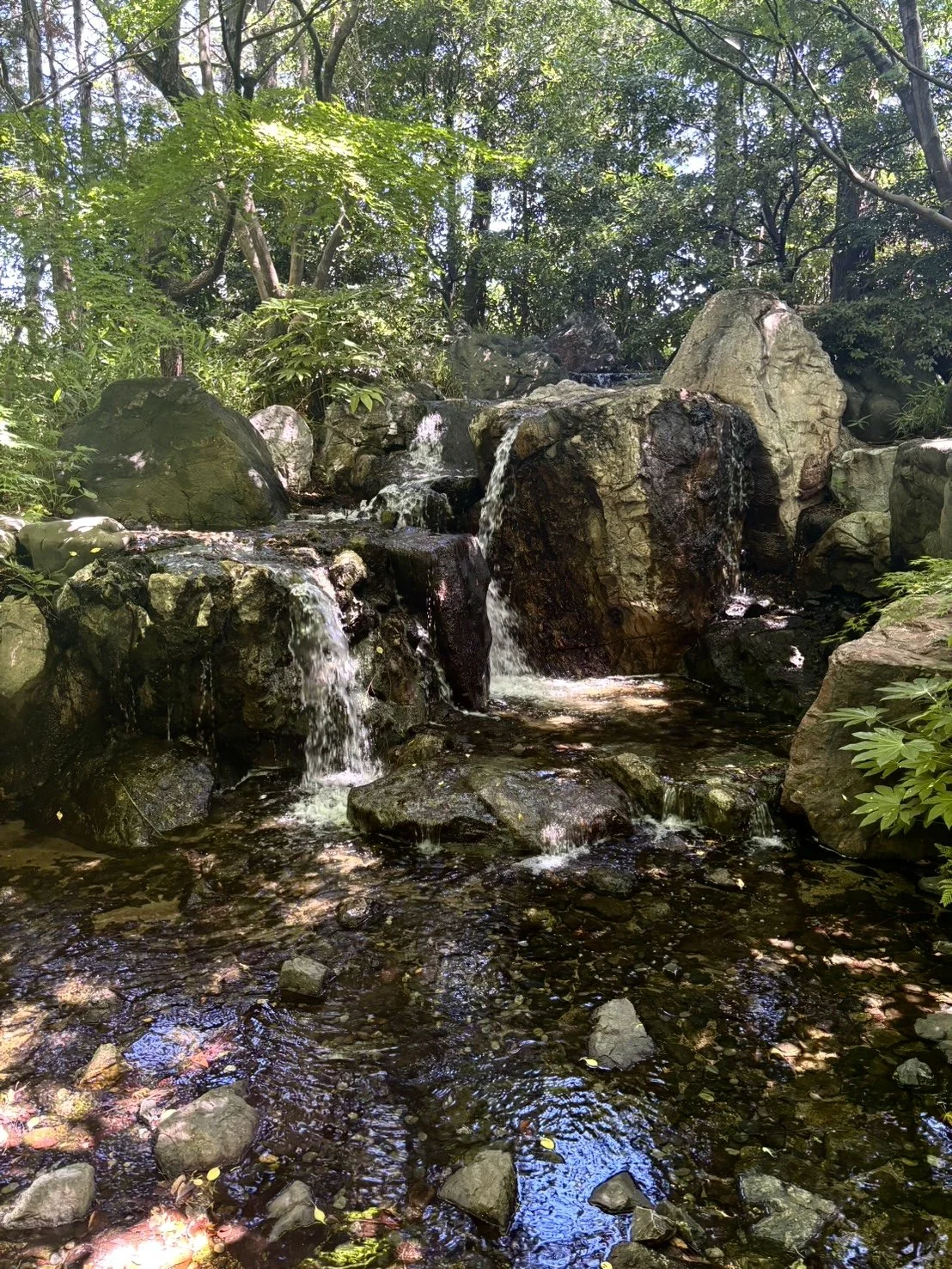
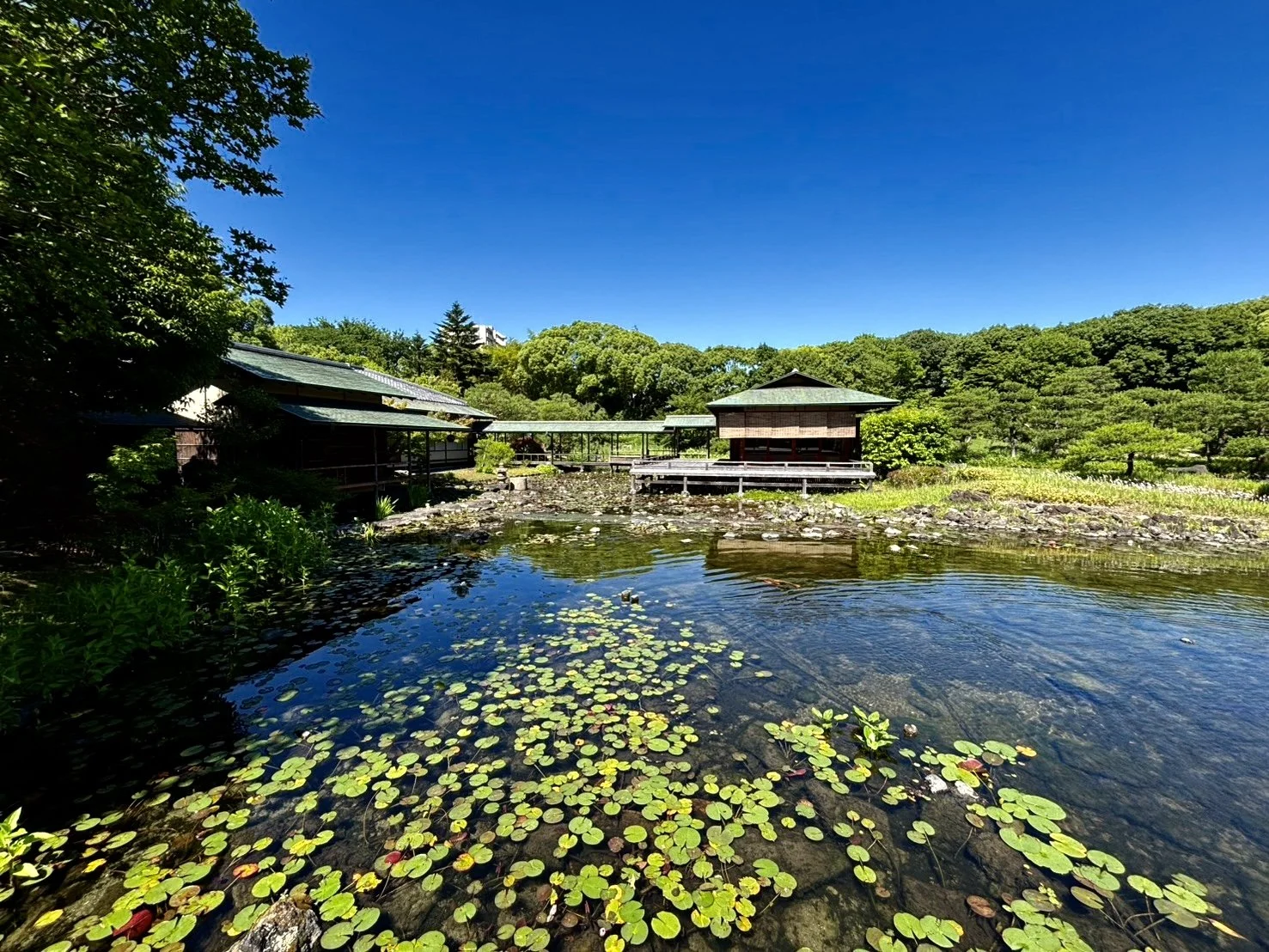
Continuing to Shirotori Garden, we arrived right at opening time to find that, apart from one other person, we had the entire space to ourselves. Right there in front of me was the teahouse featured in so many of the blogs I’d written for my company, lilies and koi fish and all. I could’ve sat there for days pulling an Annie Dillard. Thankfully, my husband’s accountant afforded me the opportunity with an urgent phone call that took up thirty minutes of koi-spotting.
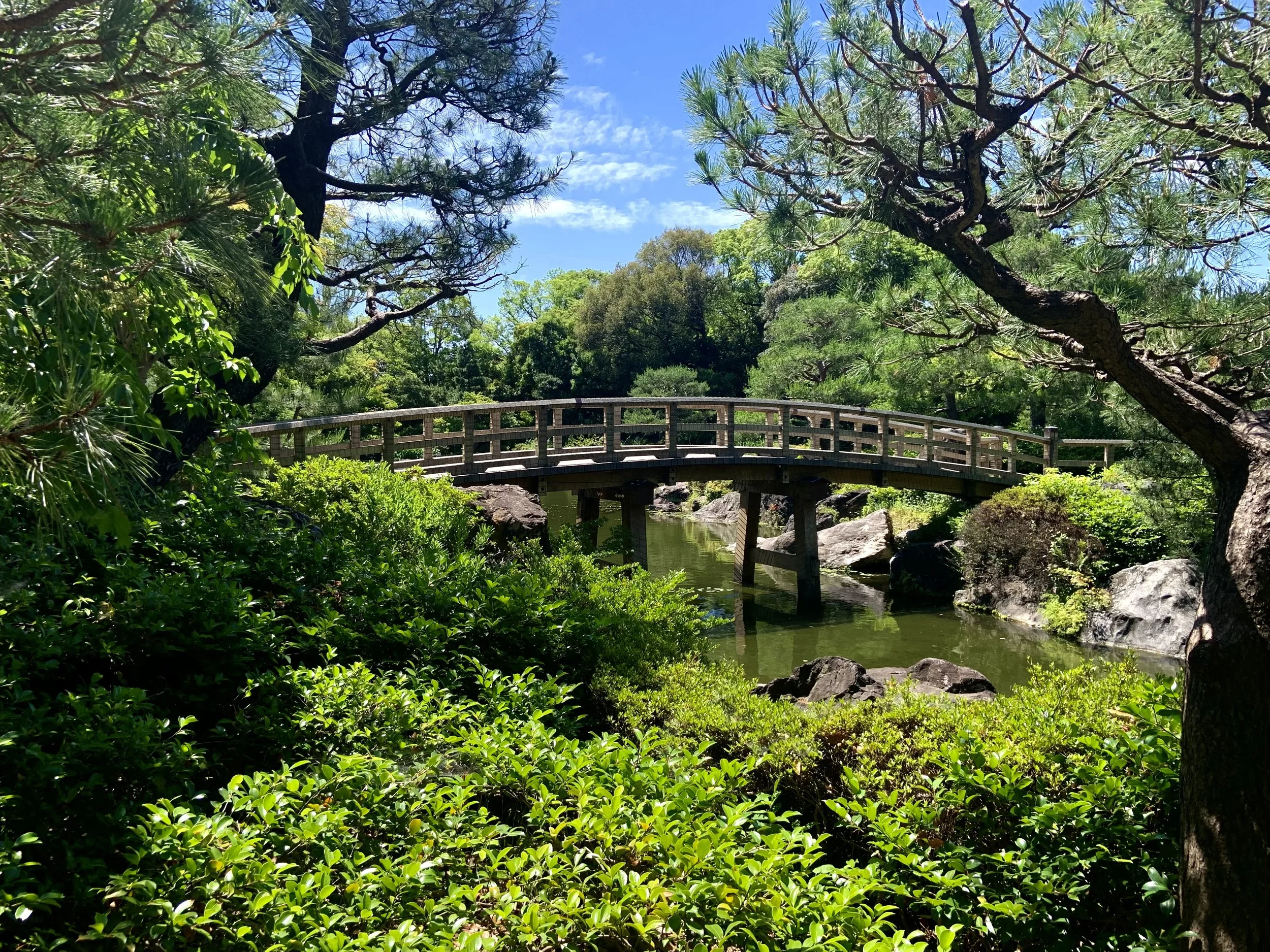
Released from the mobile grip, Taka and I traipsed through the remainder of the gardens. Bridges and rivers were crossed, hydrangeas were smelled, and rest spots met my derriere. In short, I loved Shirotori Garden, and sorely regretted not bringing my journal to capture the peace I felt there in real-time. The grounds are perfectly arranged so that even as the people began to trickle in, we didn’t feel crowded, and I’d happily go back again.
I was in an especially whimsical mood, which is why I was tickled pink to come across a park with not just a swing set, but a see-saw that fit the adults we claim to be. Of course, several minutes were devoted to this side quest before it was time to head home and resume the workday. Not a bad start to a Friday, I tell ya.
Weekend freedom
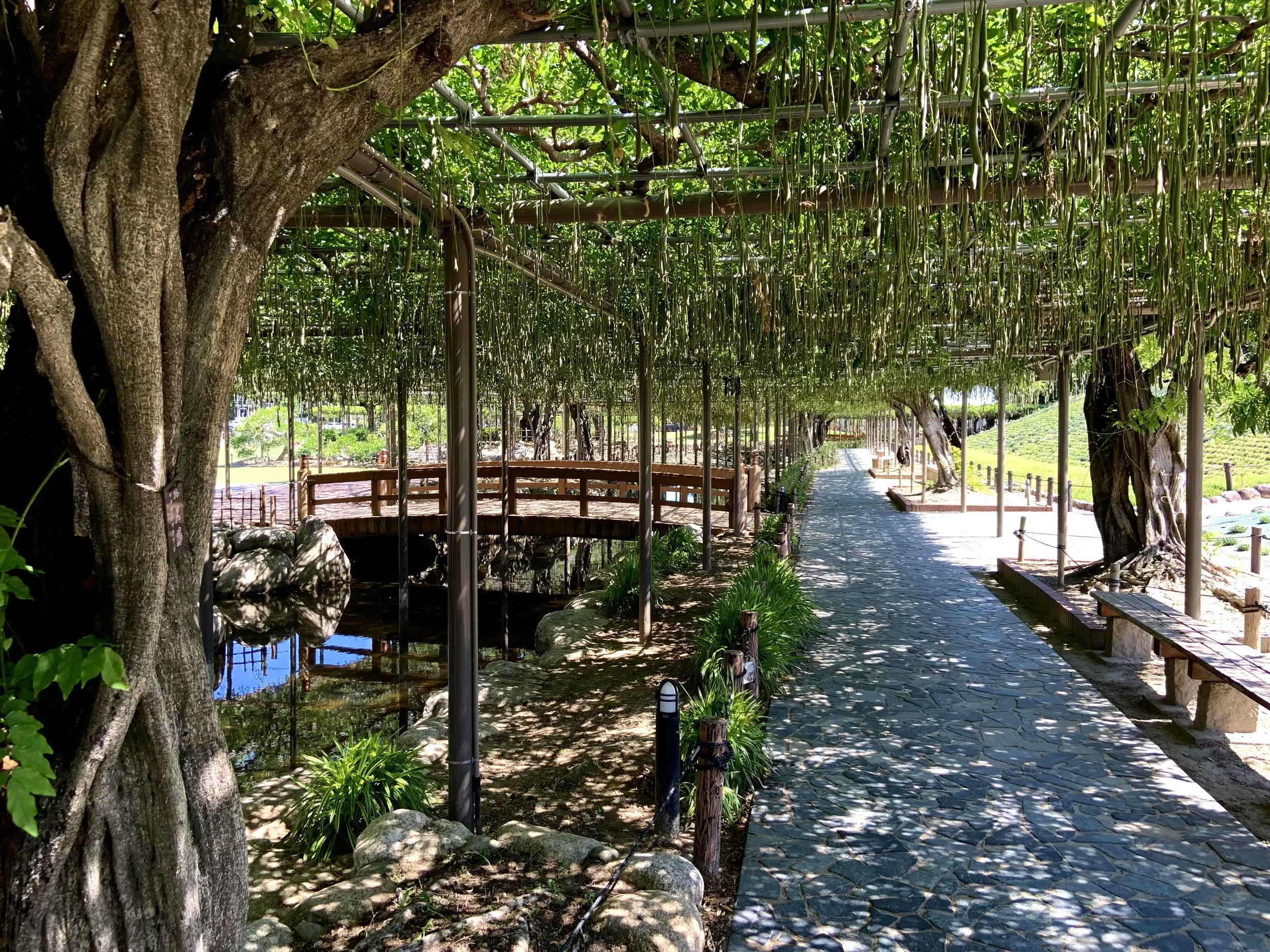
On Saturday, my husband had a work event, which meant a solo adventure in the morning. Tsushima happens to host one of my favorite Bookoffs in the city for secondhand DVD hunting, but there’s more to the area than that. On the opposite side of the station lies Tennogawa Park, famous for its kilometers-long wisteria corridor. I knew I was probably much too late for the purple blooms, but I persisted just in case.
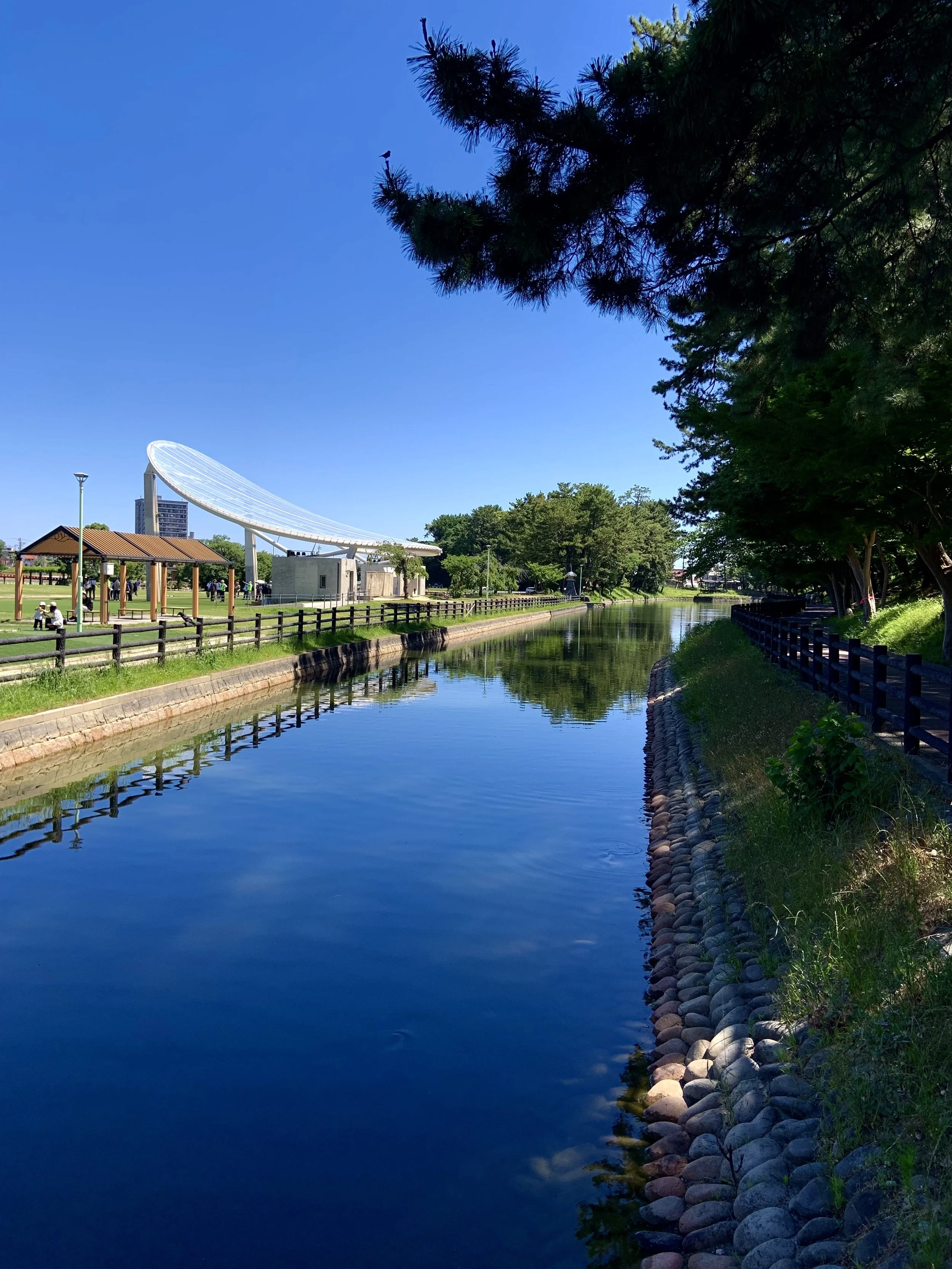
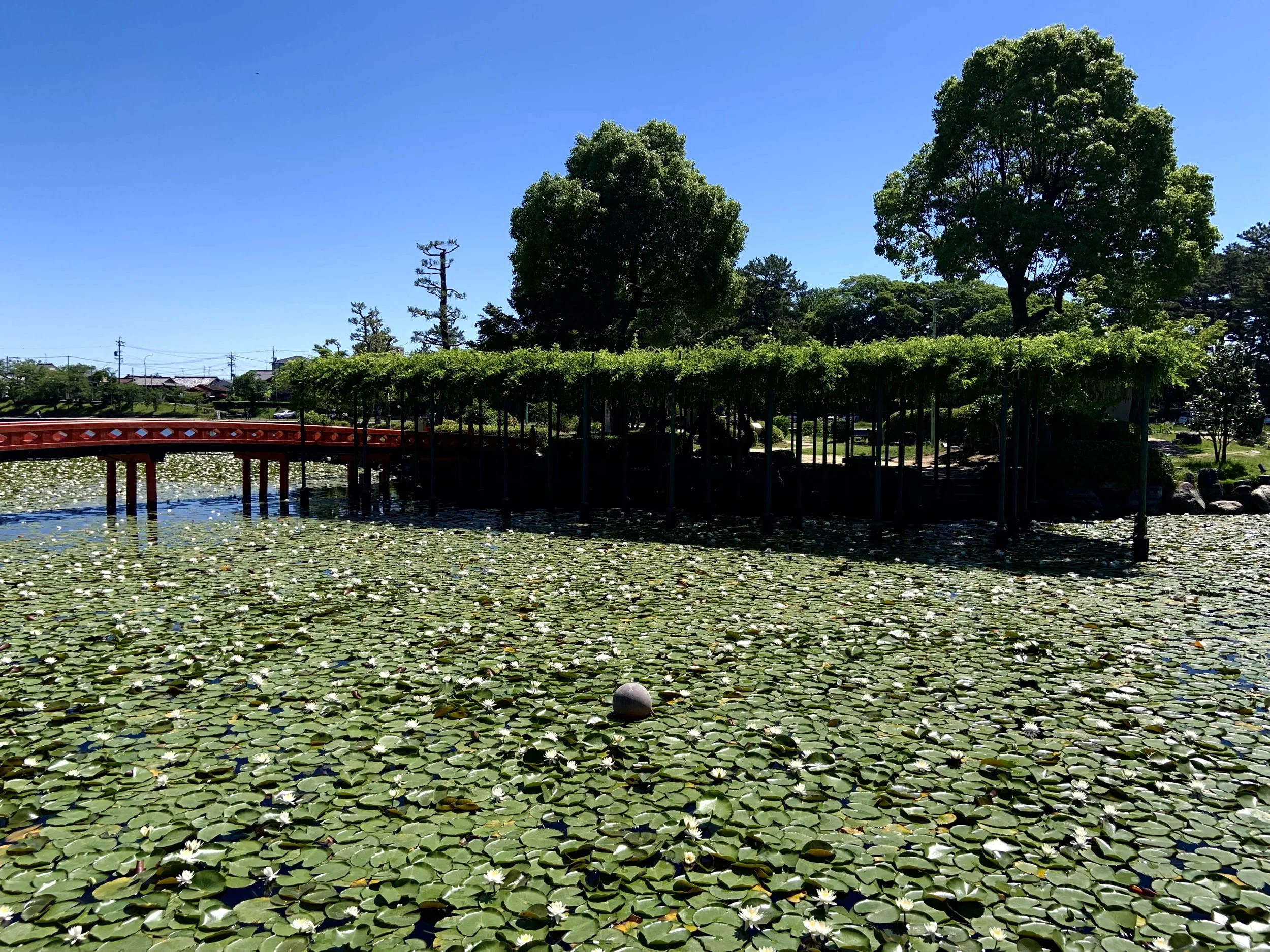
I’d assumed correctly. The canopy was entirely green and beautiful despite. A canal runs through the middle, over which several storybook bridges cross. I felt like a Bridgerton taking a turn about the ton, albeit one sporting anachronistic Uniqlo.
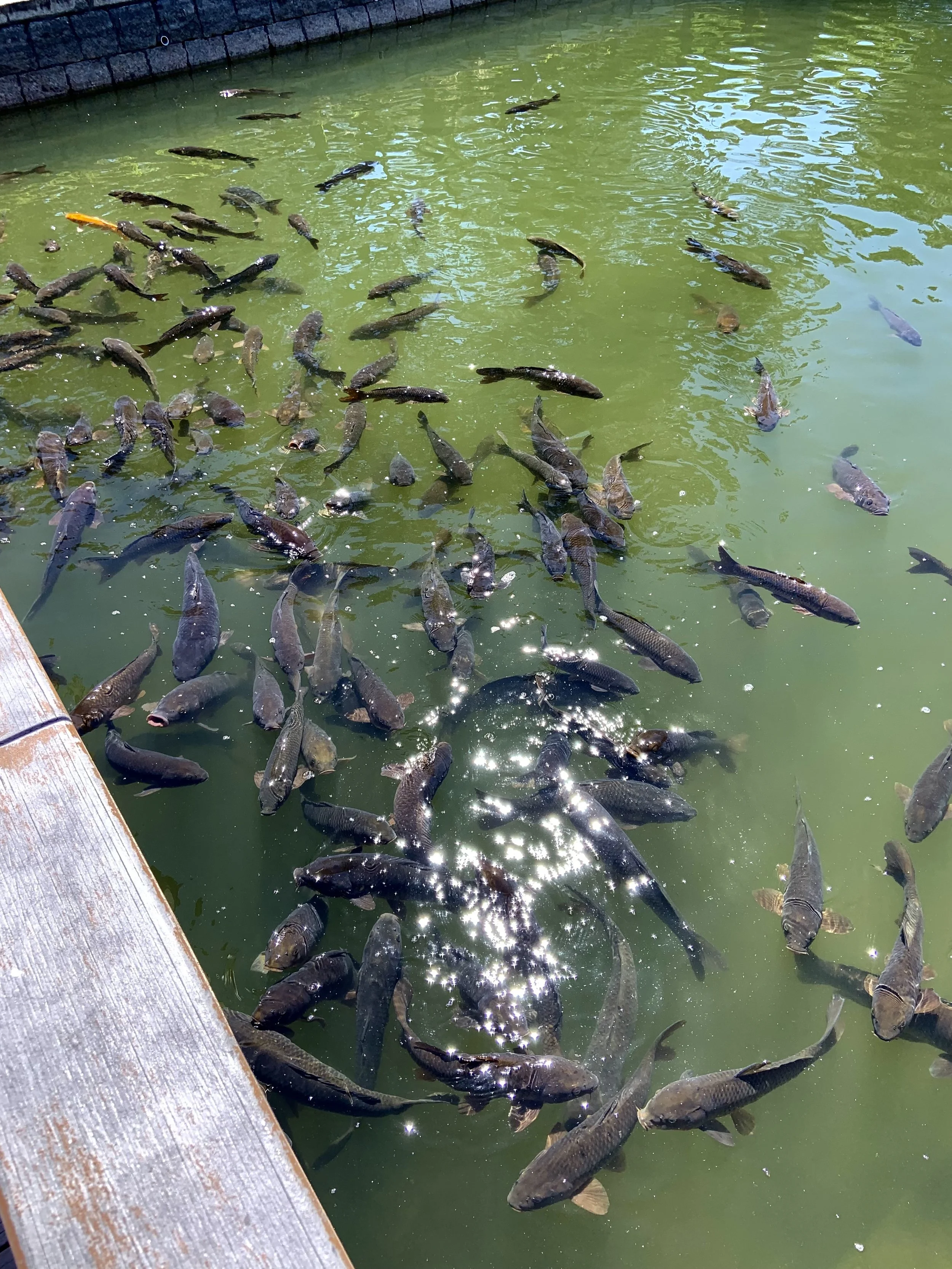
The rest of the park had its own characters: in two separate areas, a Japanese grandma and grandpa were feeding and conversing with the grey koi fish swimming beneath them. Kids played soccer in the field where misters were actively keeping them cool. Runners circled the pond. An island popped up in the middle of the water—the main thing distinguishing this park from anything I’d find in North America. As I was unsure if visitors were allowed to enter, I simply kept to the main path as I made my way to the Bookoff.
As per usual, I set a timer of one hour to scan all the shelves, coming home with four additions to my collection: She’s the Man, Somewhere in Time, A River Runs Through It, and Gone Girl. The essentials, in other words.
After lunch and an afternoon foray into the weird girl lit genre via Olga Tokarczuk’s Drive Your Plow Over the Bones of the Dead, Taka and I linked up for a jaunt to an Uzbeki restaurant nearby. As I wrote about in my Shimanami Kaido blog, I have a fascination with Central Asia, and thus was over the moon to find the cuisine represented in Nagoya. Unfortunately, this particular restaurant fell short of my expectations. The kulcha naan was too hard, the baklava too sweet, and the pomegranate juice was the only saving grace.
All was forgotten later on, though, when my babachan and I feasted on pizza while watching her beloved NHK programs together.
As Sunday was quite packed with our return to Nara in the afternoon, we got an early start before leaving for Motoyama. On the way, I had my first encounter with a puke-covered gentleman who’d evidently just roused himself from whatever slab of pavement he’d landed on for the night.
Onto finer things, Motoyama is to Nagoya what Steiner Street is to San Francisco. Rolling hills give way to massive mock European houses that are begging for a Painted Lady do-up. Despite it being a weekday, Japanese ojisan were out watering their rose bushes in their dockers and pastel sweaters.
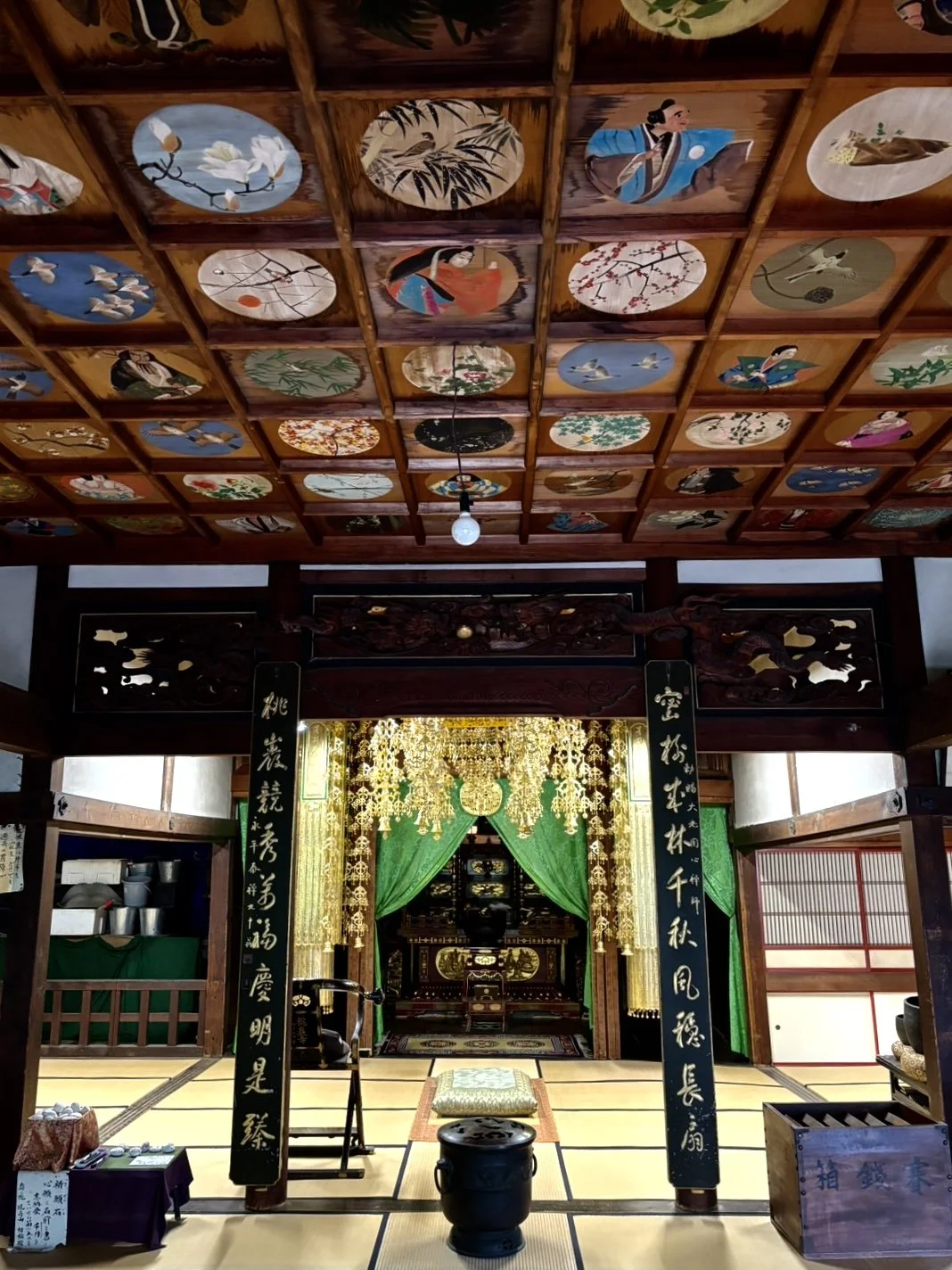
First on the list was Togan-ji, which we had a hell of a time finding the entrance to. Getting in is like a puzzle, but once you’re there, you want to stay forever (the mosquitoes will evict you well beforehand, though). The complex is completely enclosed by bamboo trees, and the roofs of the buildings are about to collapse. Still, the place has its fanciful charm. The lanterns (a personal favorite feature of shrines and temples, if that wasn’t obvious by now), the altar, and even the ceiling tiles are so casually ornate for their humble surroundings.
All that cannot compare to the pièce de résistance, the looming green Buddha statue, accompanied by elephants on either side. What a sight to have in the middle of a residential neighborhood!
Coming down from the majesty that was Togan-ji, we swatted our legs all the way to Boulangerie Sun, a bougie bakery for which there was already a line before the 9 A.M. opening time. Hokas abounded. Picking up the croissant cream sandwich and Earl Grey bagel with Earl Grey cream, I patiently waited until reaching the entrance of Higashiyama Botanical Gardens before diving in. As expected, both sandwiches were incredible.
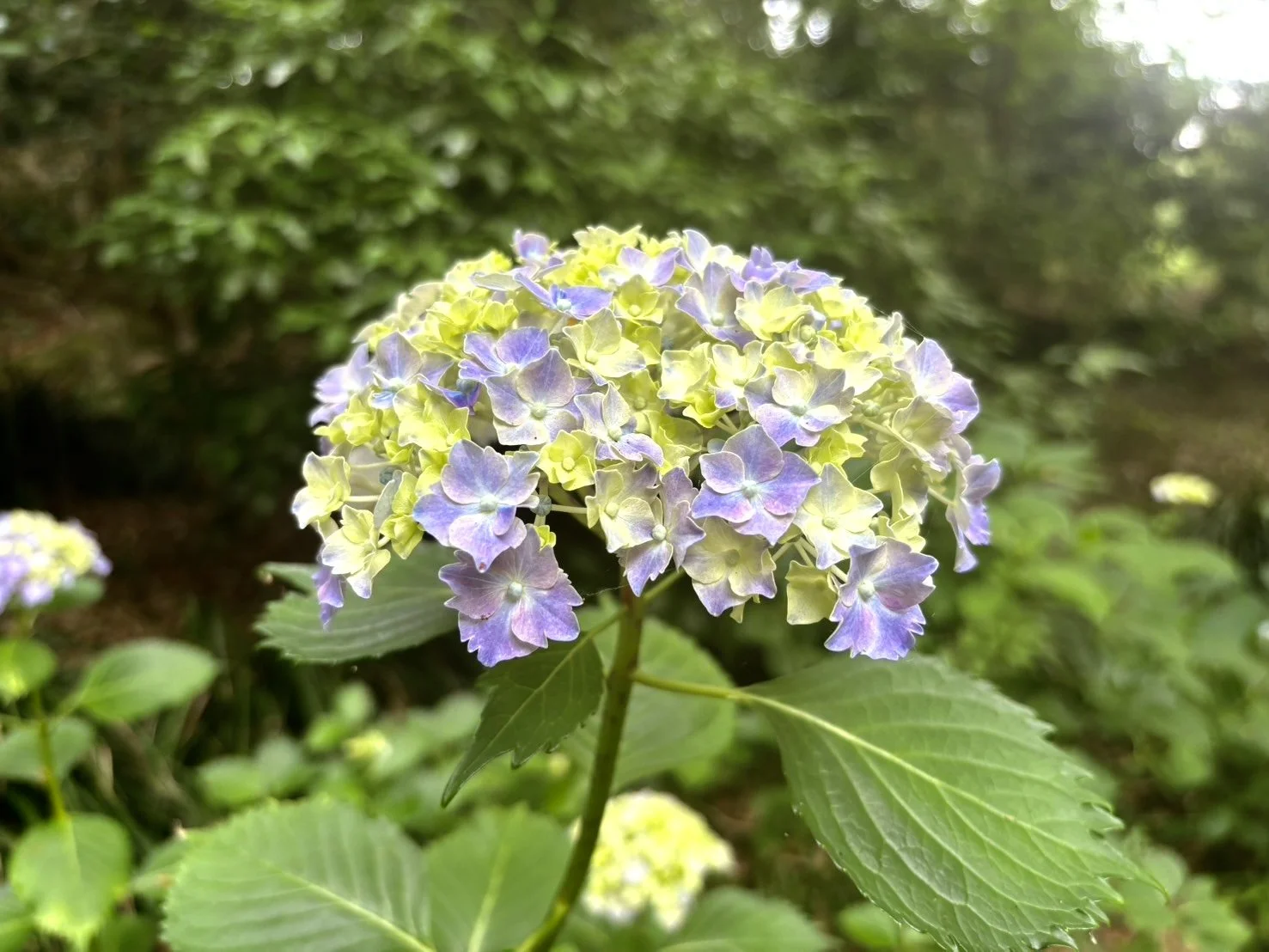
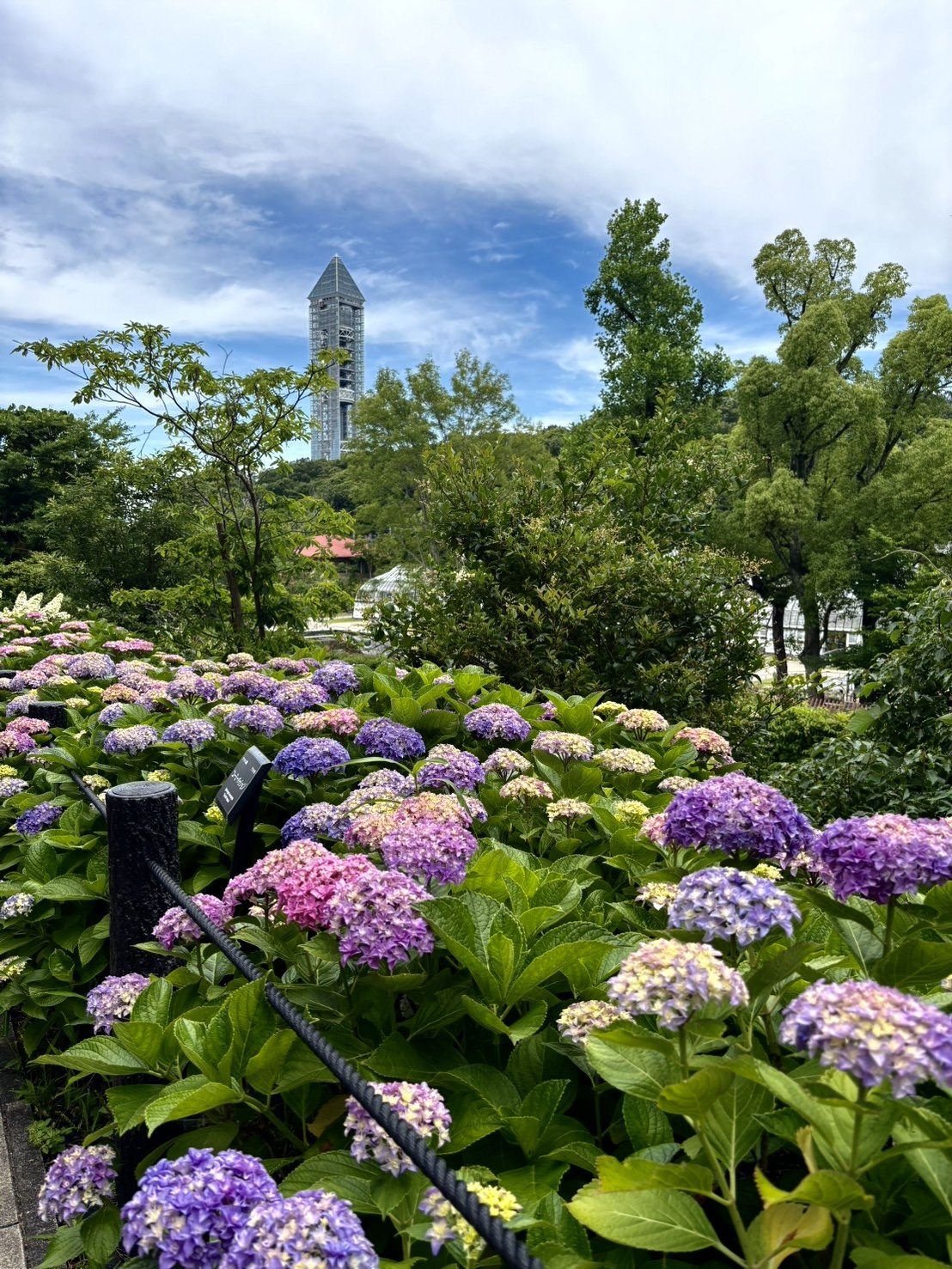
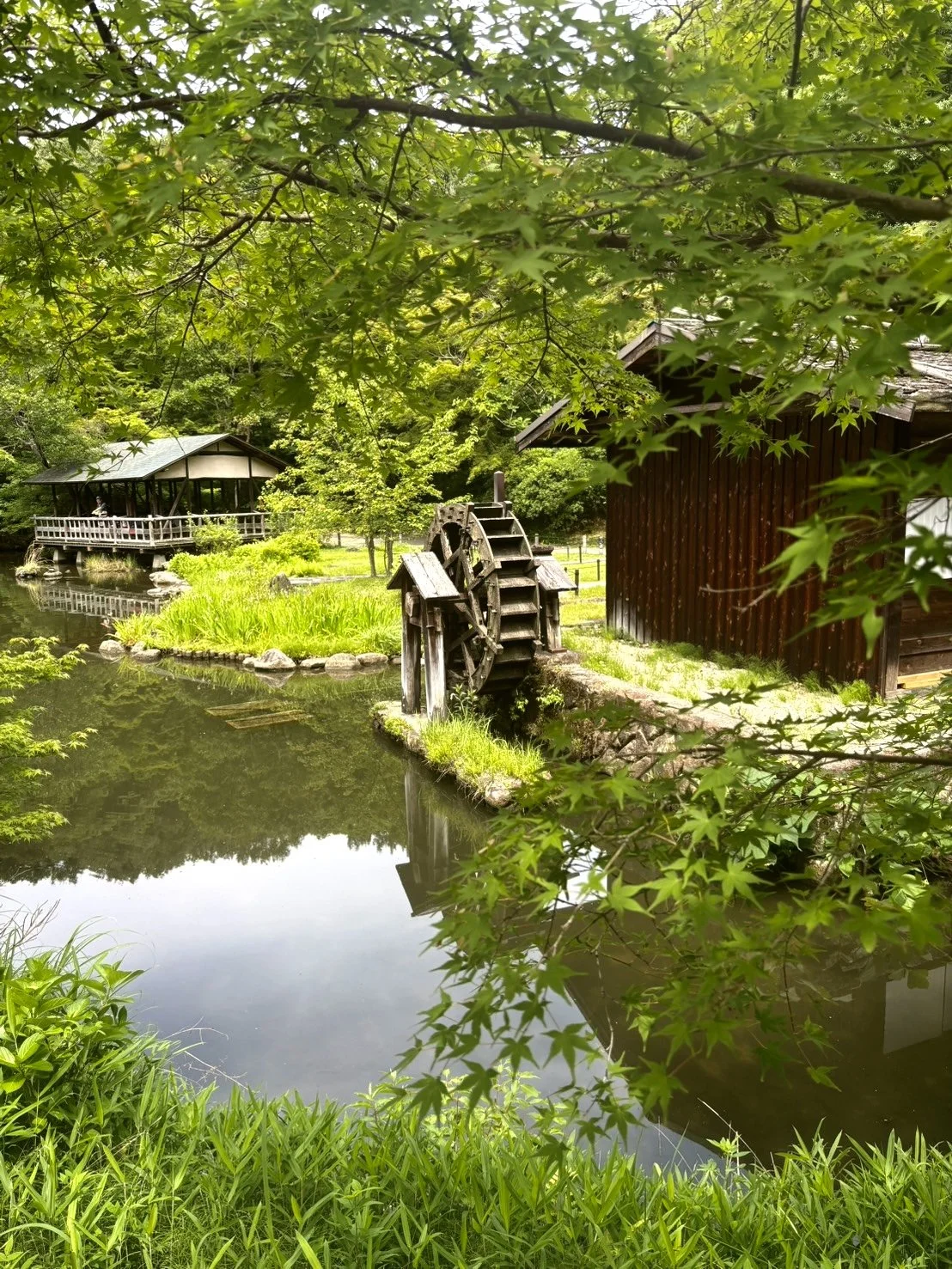
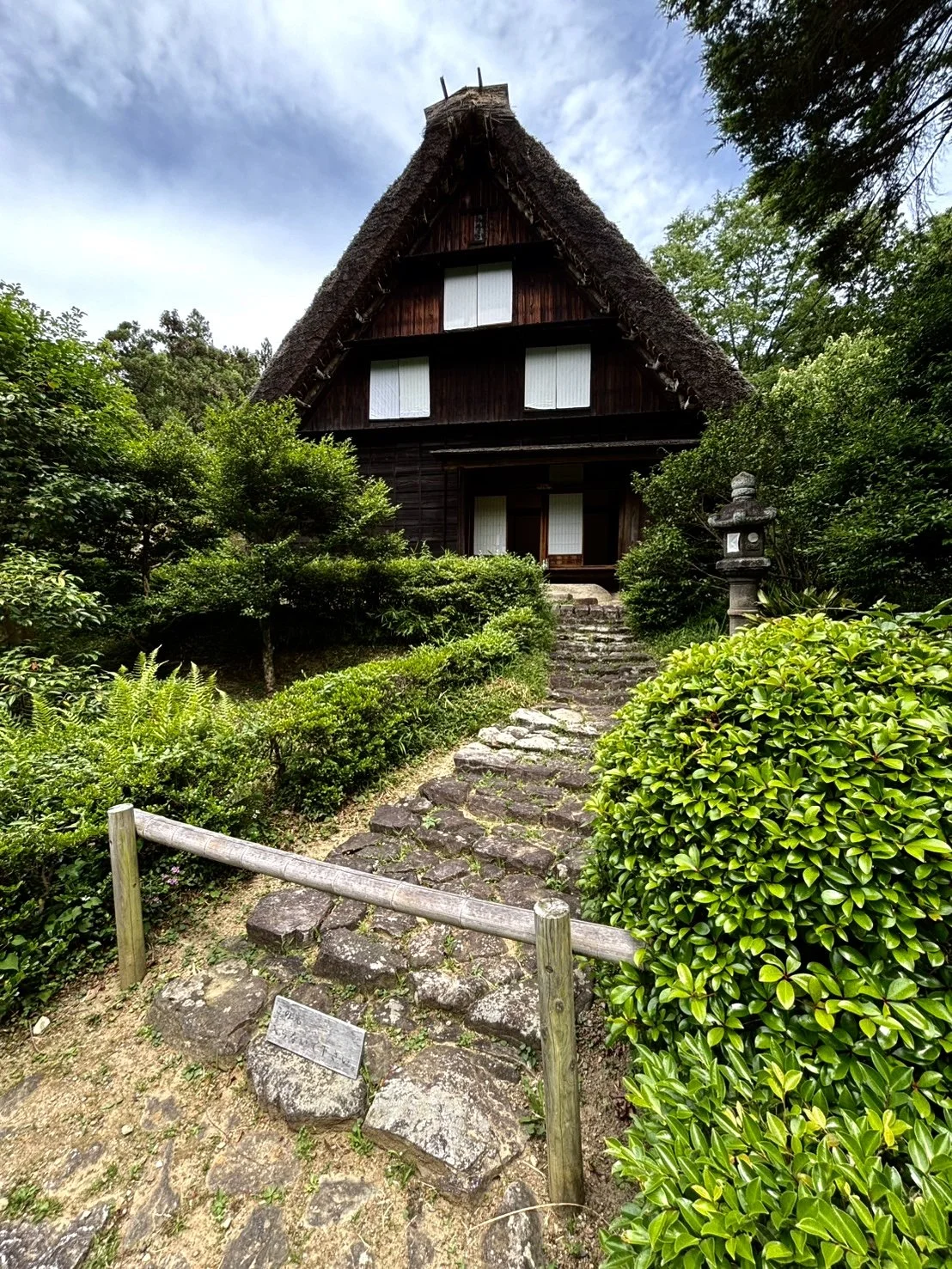
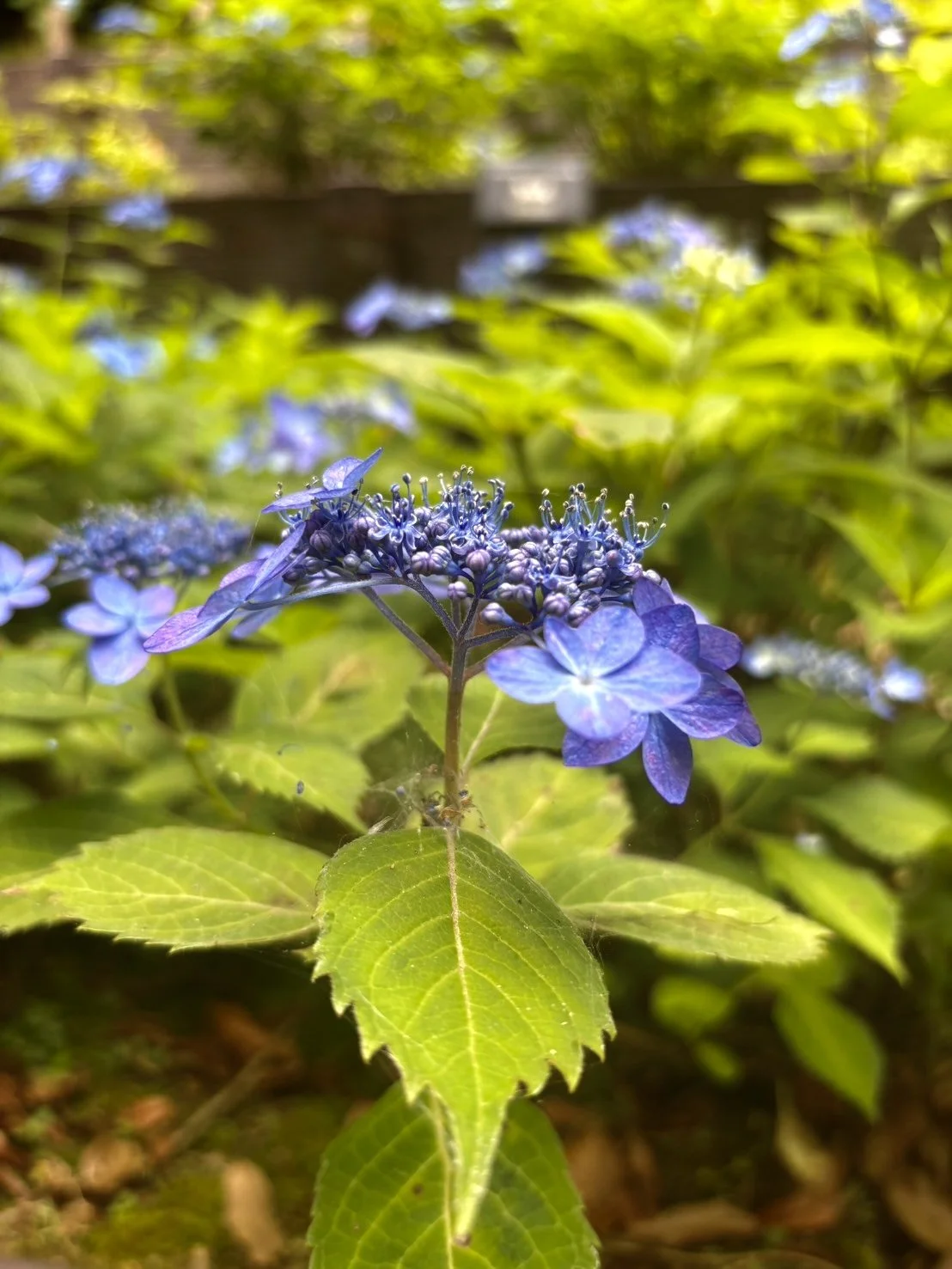
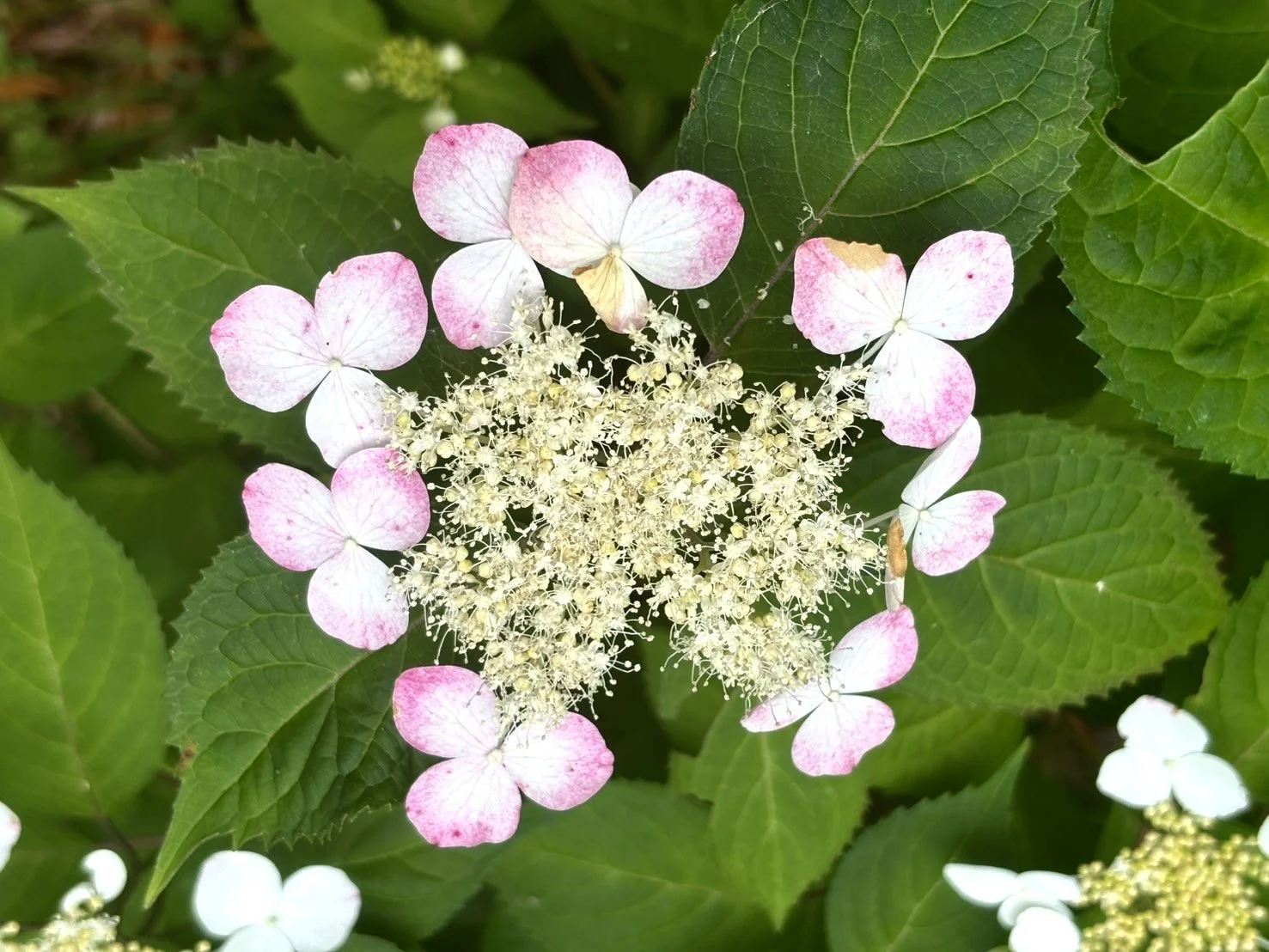
Higashiyama Park has a unique layout: the zoo sits at the front, the gardens in the back, and a hiking course circles the perimeter. The gardens jut out in every direction. First, we wandered through the greenhouses containing the cacti and tropical plants. Next, we chanced upon a small pond framed by magenta and white irises, with a small water mill that oozed all the quaint charm of a Ghibli scene. From there, a hydrangea garden seated in the hillside. Pink, blue, and purple dotted the area, and most hydrangeas were of a different variety than I’d ever seen before: a cluster of tiny, fairy floss flowers in the middle, wreathed by flatter ajisai flowers. Just gorgeous to look at.
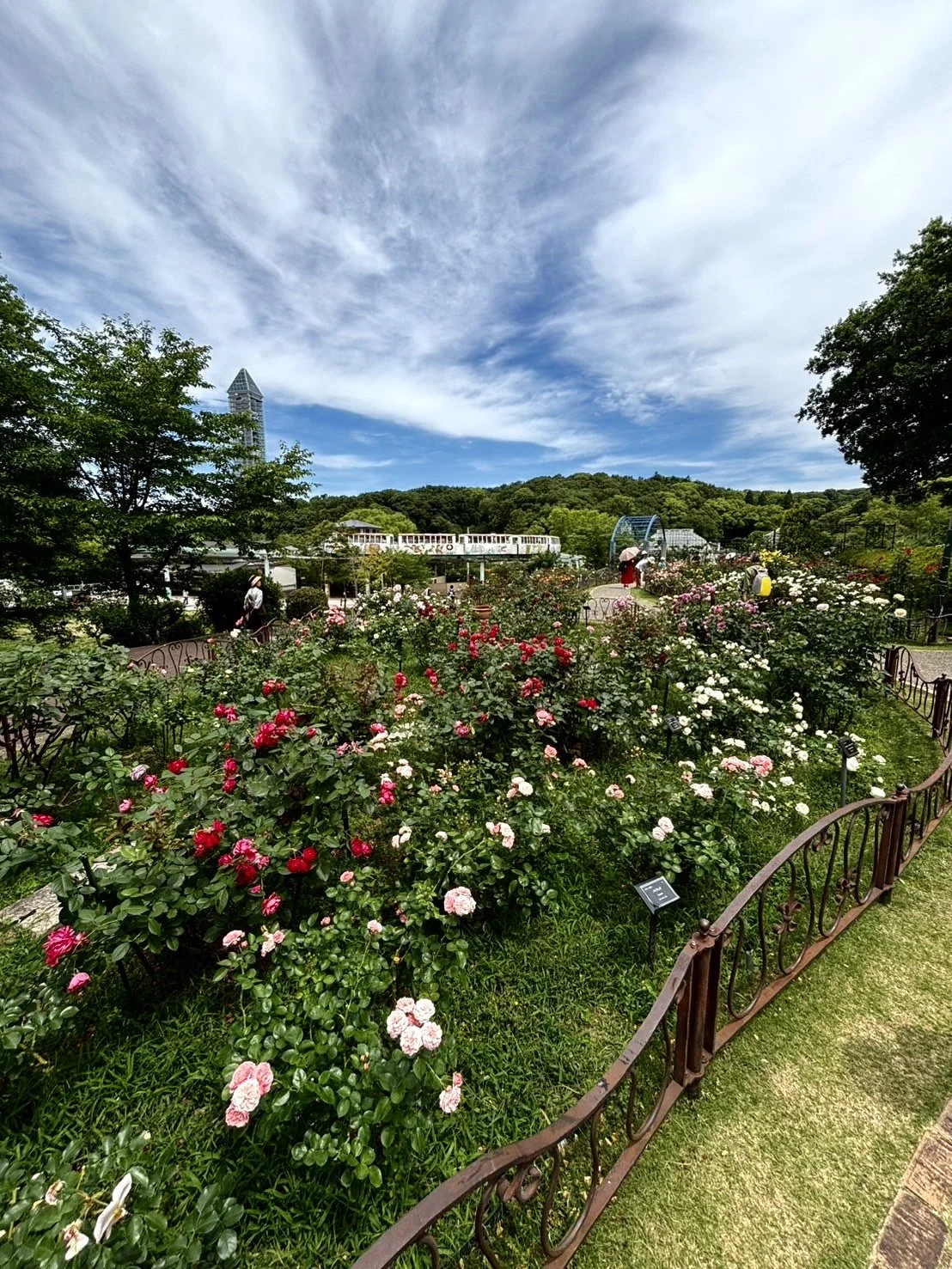
Walking up a bamboo-lined road, our journey culminated in the two rose gardens at the summit. All the ojisan photographers were lined up with their massive cameras and tripods to shoot the same blooms. Moving around the kerfuffle, I took in the sight. I know next to nothing about flowers or plants, except to know which ones I like the look of. Red and orange sunbursts of light drew me in on this day, contrasting beautifully with the stone Botticelli statues and more diminutive pink shades surrounding them.
Flowers are not quite so exciting to my husband, who by then was itching to visit the zoo. Reluctantly, I gave in.
As it was going on 11 at this point, the crowds of stroller-wielding families swelled to capacity. I finally learned where all the visibly pregnant Japanese women go, and counted four without trying.
Despite not planning to go to the zoo originally, I found myself enthralled by the animals. That is, until the momentary dopamine rush made way for pity at the poor state of the animals’ habitats. The polar bear exhibit, in particular, was rough to see. The massive animal roared atop a plastic set of stairs before diving into a kiddie pool’s worth of water—the only refuge from the Japanese heat that I’m sure polar bears are not the best suited for.
Moral proselytizing aside, Taka and I wrapped it up and headed for lunch just before noon. Our final stop of the day was Tom’s Swiss Cafe, a joint serving Swiss staples such as raclette and hot pressed sandwiches with a variety of fillings to choose from. Opening right at 12, we were the first customers to sit in the cozy, second-floor eatery.
Immediately, the restaurant’s namesake came out with a smile and a staccato accent to take our order. I went for the tuna cheese sandwich, while Taka went for the ham and cheese option. For drinks, I ordered a matcha latte, and Taka chose the Swiss cherry Schnapps coffee.
The sandwiches were crispier brethren of the typical tuna cheese sandwich, with defined edges that were so satisfying to eat. To my delight, the matcha latte was just the perfect amount of sweetness, with a hint of white chocolate flavor. Taka’s alcoholic coffee was served warm, and, likely due to the lower ratio of coffee in the drink, tasted like a boozy Christmas in a cup, reminding me of mulled wine.
As we were eating, Tom struck up a conversation with us, quickly making me aware of how little I knew about Swiss culture or geography, to no fault of his own. He was well-traveled, living in New Zealand for five years, Tokyo for a decade, and Nagoya ever since. I learned that the Swiss economy would not function without immigrants from nearby EU countries like Germany, comprising some 40% of the workforce. Thumbing through the travel books lining the walls of the restaurant, I mentally added Switzerland to my travel bucket list for after I win the lottery.
With that, we returned to the house to pack up our bags and bid Nagoya auf wiedersehen.
Nagoya isn’t boring after all
This trip was revelatory to me in two ways: one, that Nagoya is chock-full of exciting things to do. Whether you want to visit a jazz bar or seek refuge in nature, all options are available to you, and typically just a train ride away.
It is liberating realizing just how much I was missing all these years I resenting having to return to Nagoya, thinking of it—like so many travelers and residents of Japan alike—as a way station for more exciting locales.
The second realization was how travel contains so many surprises, if you let it. That travel doesn’t have to be daunting or expensive or across great distances to be satisfactory. All of the places mentioned in this blog took less than half an hour to access from Western Nagoya. Isn’t that something?
Herein lie the travel diaries of a Nagoya convert. With quite a few more places saved on Google Maps, I am quite looking forward to my next visit, and I hope I have convinced some of you to get off the train for a spell next time you’re passing through the city.
Access:
Shikemichi and Endo-ji
13 minutes by walk from Nagoya Station. No entry fee. Most shops are closed by 5 and entirely closed on Wednesdays and Thursdays.
Atsuta Jingu and Shirotori Garden
From Meitetsu Nagoya Station, take the Meitetsu Line bound for Kowa to Jingu-Mae Station. Atsuta Jingu is eight minutes on foot from the station. Shirotori Garden is 25 minutes by walk from the same station. Alternatively, you can take the Meitetsu Limited Express from Meitetsu Nagoya Station to Kanayama Station, switching to the Meijo Line and getting off at Atsuta Jingu Nishi Station. From there, Shirotori Garden is nine minutes by walk. Atsuta Jingu is open 24 hours and does not have an entry fee. Shirotori Garden is open from 9 A.M. to 4:30 P.M. and is closed on Mondays. The entry fee is 300 JPY.
Tennogawa Park
14 minutes by walk from Tsushima Station, accessible from Meitetsu Nagoya Station via the Meitetsu Nagoya/Tsushima Line. No entry fee. Open 24 hours.
Togan-ji Temple
From Nagoya Station, take the Higashiyama Line Local, getting off at Motoyama Station. Togan-ji is a six-minute walk from Motoyama Station, although you’ll have to circle around to find the entrance. Be sure to bring bug spray, as the mosquitoes are horrendous. No entry fee. Open 24 hours.
Higashiyama Zoo and Botanical Gardens
Take the Higashiyama Line Local bound for Fujigaoka, getting off at Higashiyamakoen Station. The entry to the park is right across the street from the station. If you’re in the mood for a walk, you can also visit Togan-ji first from Motoyama and walk the half an hour or so to Higashiyama Park, treating yourself to the San Franciscan views and Boulangerie Sun along the way.
The zoo and botanical gardens are open from 9 A.M. to 4:30 P.M. (closed on Mondays), with certain animals not being shown later in the day. The entry fee is 500 JPY. I highly advise going on a weekday when the crowds are less intense.
Planning on traveling to Japan? Sign up to get notified every time I post a new story. Like my work? Consider buying me a chai! Thank you so much for reading and supporting my work here at Koyo Travels.
